Tags
AI Uproar for Authors and Publishers, ARC Readers Wanted, author newsletter, Author Talk, Book Cover Reveal, book reviews, books, Creativity Has No Expiration Date, Dawn Pisturino, Deborah Brasket, Deborah J. Brasket, Library Author Talk, Robert Ojaki, The Loveliest Bruises, This Sea Within, When Things Go Missing
Dear Friends and Followers,
Welcome to My Book Buffet, a monthly newsletter featuring updates on my publishing adventure, including my novels When Things Go Missing and This Sea Within. I also share reviews of books I’m reading and news about the literary and Indie publishing world in general.
Here’s what’s on the menu this month:
- Update on my new novel, This Sea Within
- ARC Readers Wanted!
- Report and photos from my March Library Author Talk
- Spring Sale! Reviews Wanted! Calling all Book Clubs!
- Review of When Things Go Missing by Dawn Pisturino
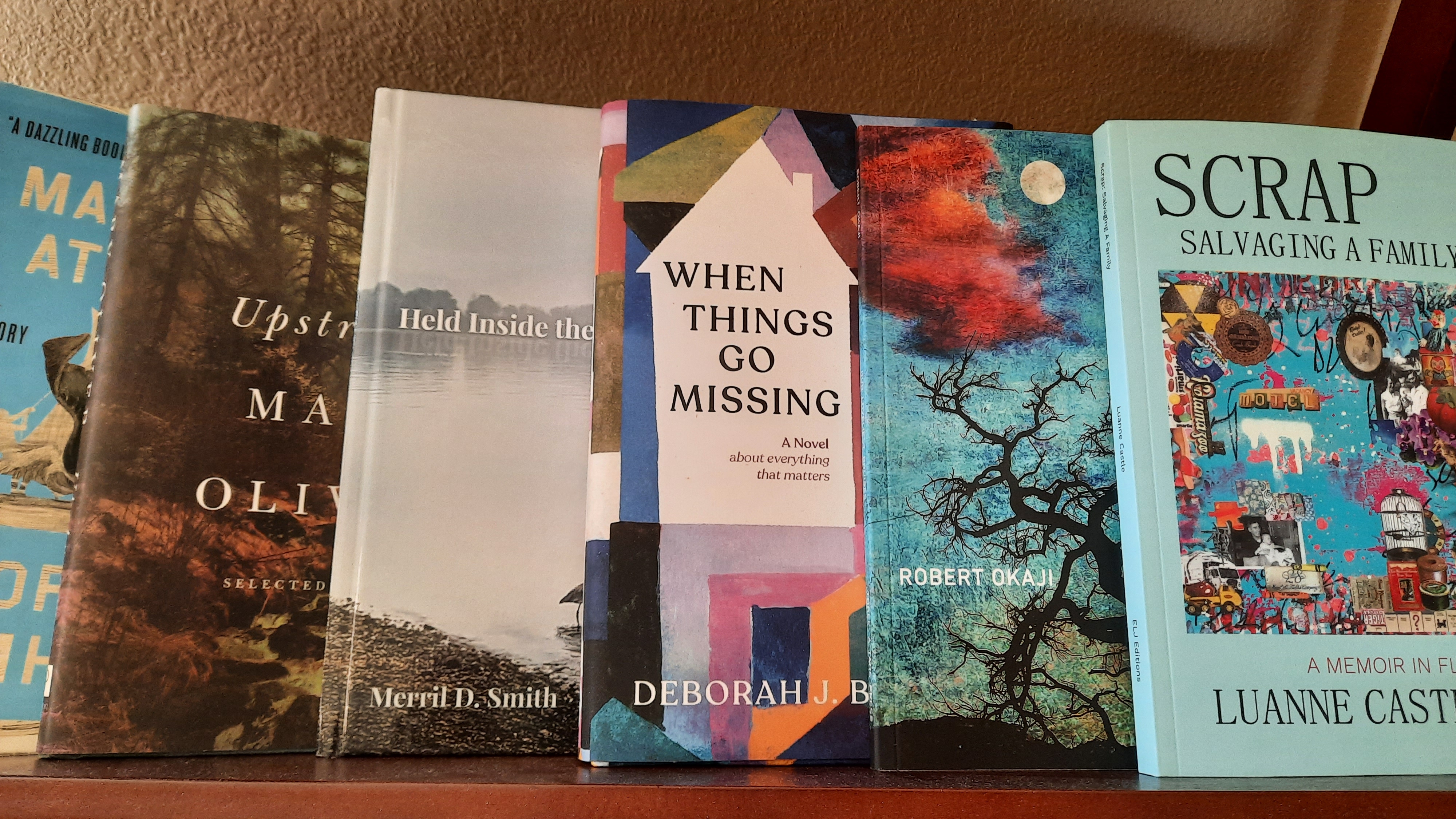
- My poetry book review: The Loveliest Bruises by Robert Okaji
- The Uproar Over AI for Authors and Publishers
This Sea Within Update
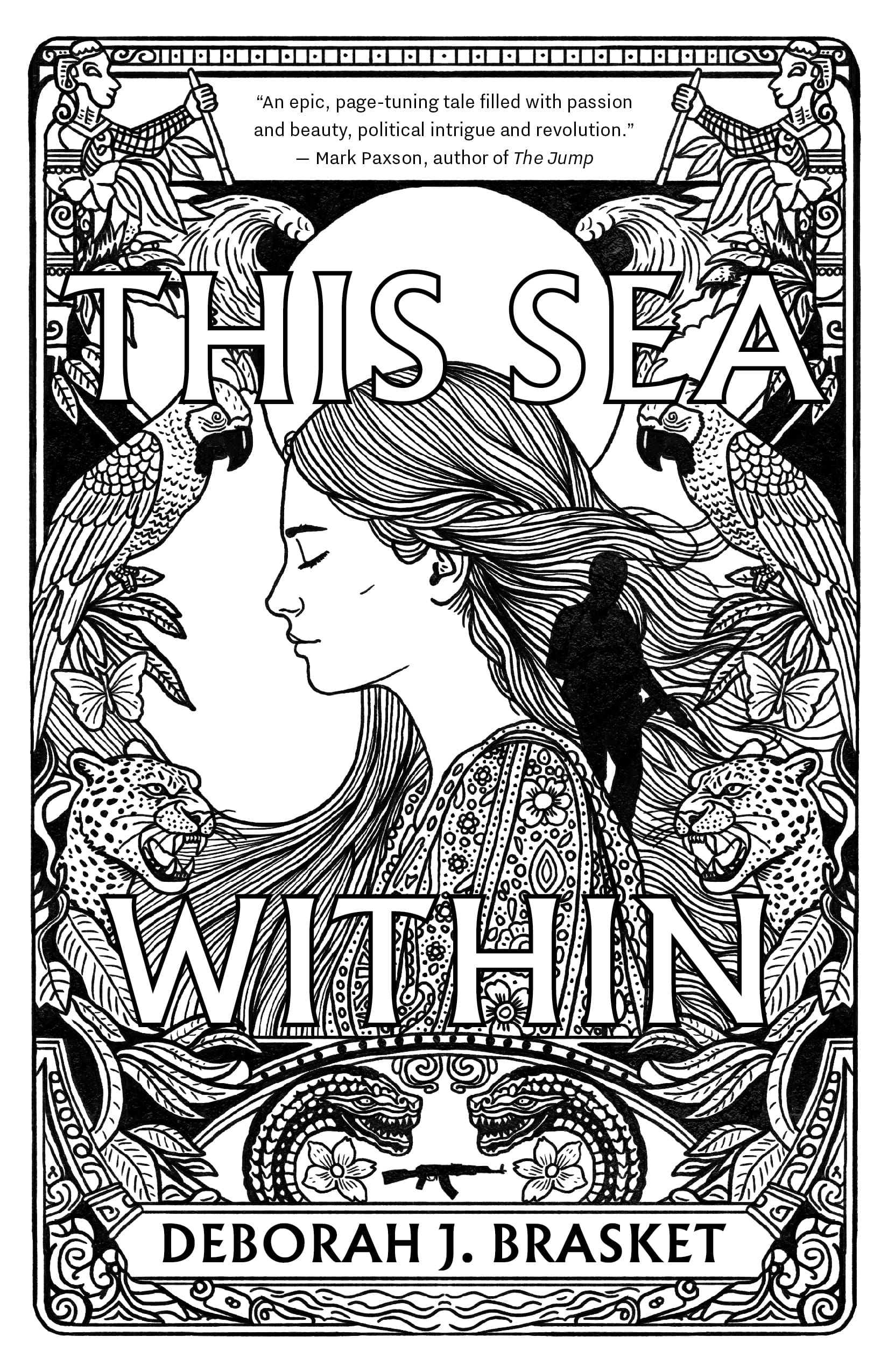
I’m excited to share with you this SKETCH of the cover I’ve been working on with my designer Baris Sehri over the past couple of weeks. I’ll be doing a FULL COLOR REVEAL soon. But for now, here’s the text that will go on the back cover:
She came to find herself. She stayed to fight a revolution.
Some waves you can’t outrun.
1971. While American students protest the Vietnam war, rebellion brews below the border where a U.S.-backed dictator rules.
Lena Landon, an avid surfer and anti-war activist, wants to do something meaningful when she graduates with a degree in journalism. Feeling the sea’s restless energy pushing her toward some unknown destiny, she travels to San Balanque, her estranged mother’s homeland, to learn more about her Maya heritage.
There Lena teams up with fellow journalist Daniel Weatherly to interview the Aguileros fighting to overthrow Viktor Ortiz’s corrupt regime. Then she sees Raoul—the rebels’ charismatic leader—rising from a jungle pool. Everything changes. That dark wave sweeps her into a life she never imagined.
Lena’s transformation from pacifist to freedom fighter comes at a brutal cost as she witnesses the harsh realities of guerrilla warfare: executions, kidnapping, torture. All the while she guards a dangerous secret: her mother, the esteemed artist Dolores Machado, is married to the enemy—Ortiz’s Vice President and closest confidant.
As the revolution intensifies, Lena must decide how much she’s willing to sacrifice for love, justice, and a cause worth dying for.
****
“A passionate affair, thrilling dangers, masterful writing–what else could a reader want? This is a book you will feel and long remember.” Harvey Ardman, author of The Final Voyage.
“A captivating love story about freedom, rebellion, and willingness to die for one’s principles. It kept me turning pages late into the night.” D. W. Peach, award-winning fantasy writer
ARC READERS WANTED!
If This Sea Within sounds like something you might enjoy, I’m looking for volunteer readers interested in receiving an advanced reader copy (ebook) and writing an honest review that could be used in promotional materials. If you are interested, let me know in the comments below or email me at seastonepress at gmail dot com.
This Sea Within will be ready for pre-order next month and released in June.
When Things Go Missing
LIBRARY AUTHOR TALK
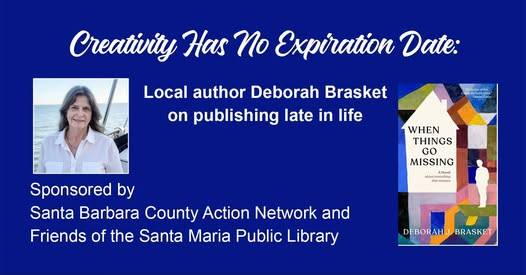
We had a wonderful turnout at my first live event promoting my books When Things Go Missing and This Sea Within. While promoting the event I had the pleasure of talking with two different talk-radio hosts, Dave Congalton at KVEC in San Luis Obispo and Ben Haighs at KSMA in Santa Maria. The Santa Maria Times and Santa Maria Sun also featured the event in their papers.
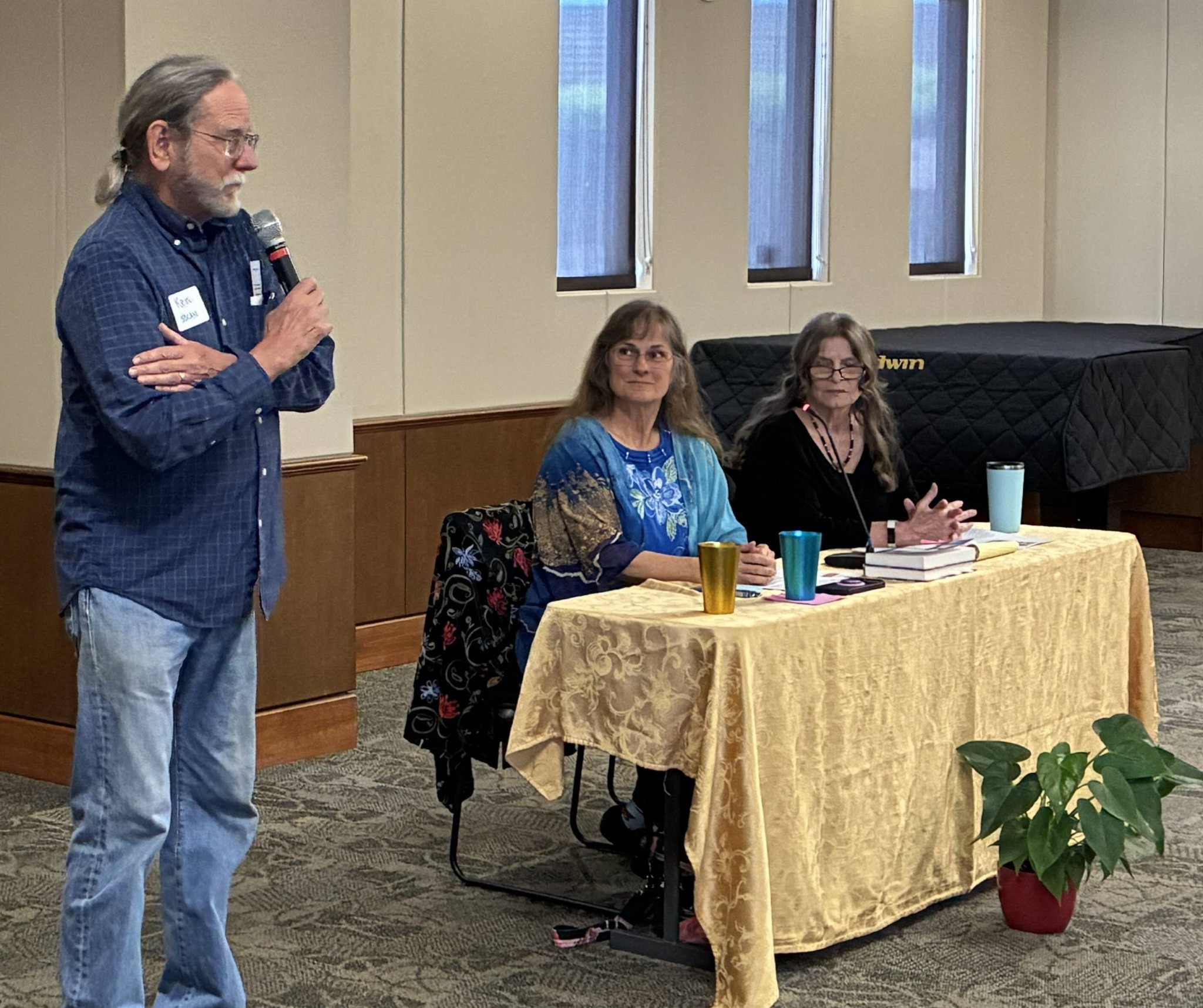
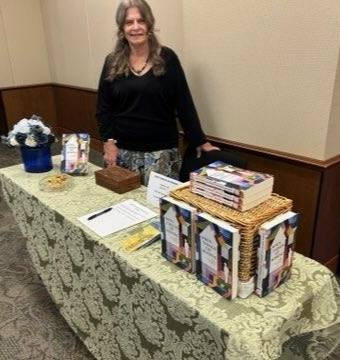
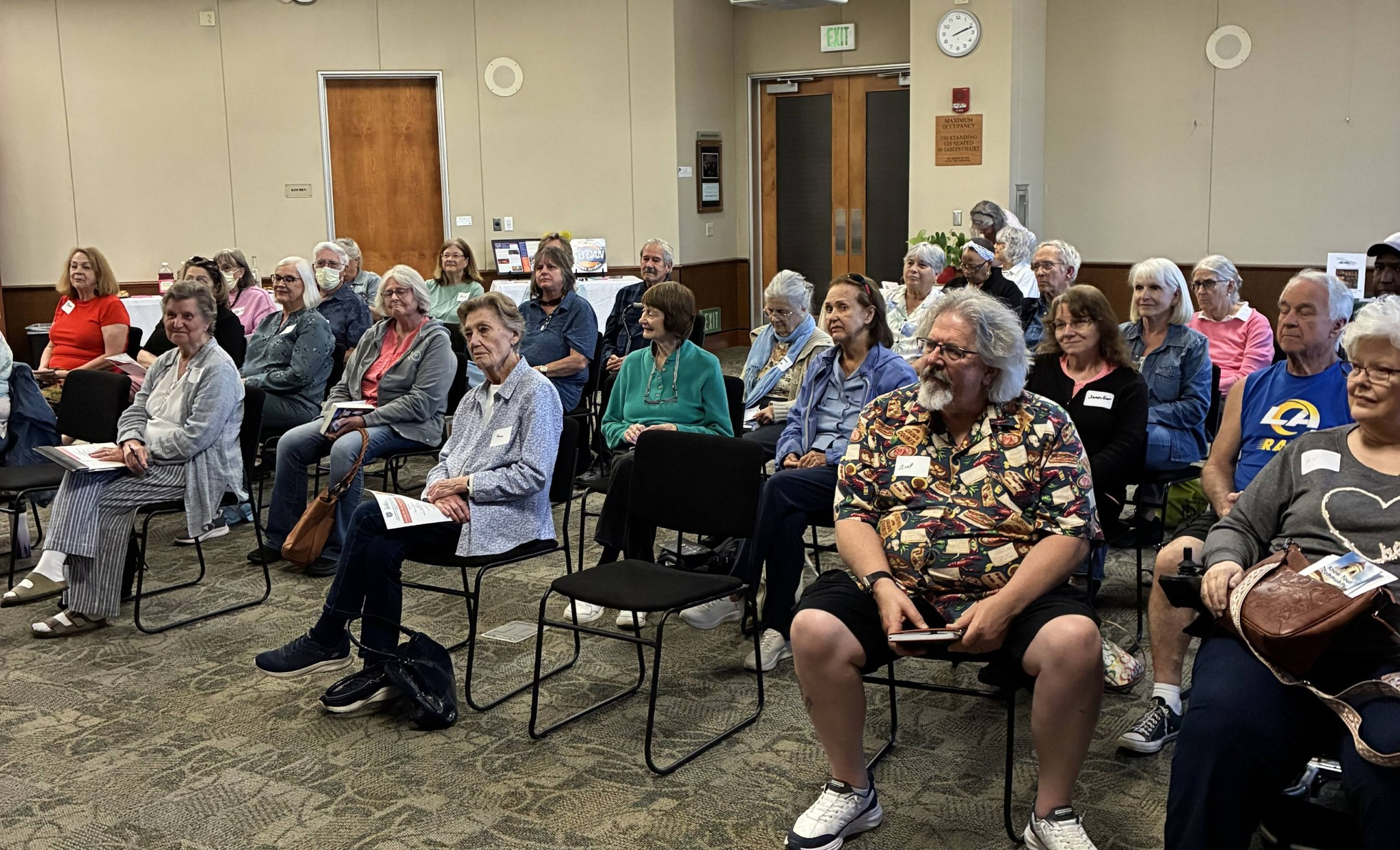
I’m so grateful for the warm introductions by the SBCAN hosts, Ken Hough and Joyce Howerton, and for Jeanne Sparks, SBCAN co-director, for participating in our featured “candid conversation” about my books and publishing journey. The audience was wonderful, attentive, and asked so many interesting questions. It was a pleasure meeting people as I signed their books. I went home with a full heart and looking forward to my next speaking engagement with the Coastal Dunes Writing Group in August at the Nipomo Public library.
Spring SALE! Reviews Wanted! Book Club Offer!
If you haven’t bought your copy of When Things Go Missing, now it the time to do so. It’s available on Amazon for these reduced prices: $2.99 ebook, $9.99 paperback. This Spring sale lasts until Summer.
If you’ve already read When Things Go Missing, thank you! If you haven’t posted a review on Amazon yet, please do so now. My baby needs more reviews to get its blood pumping and get those algorithms moving in its favor. I want more readers like you to have a chance to enjoy it.
And if you DID enjoy it, please recommend it to your book club and book club friends. I’ll mail a free paperback copy of my book any club that chooses my book to read. Reading Group Questions are provided in the back of the book. And I’m available by Zoom (or in person if you’re in the Central Coast of California) for a Q & A interview during your meeting.
Review of When Things Go Missing
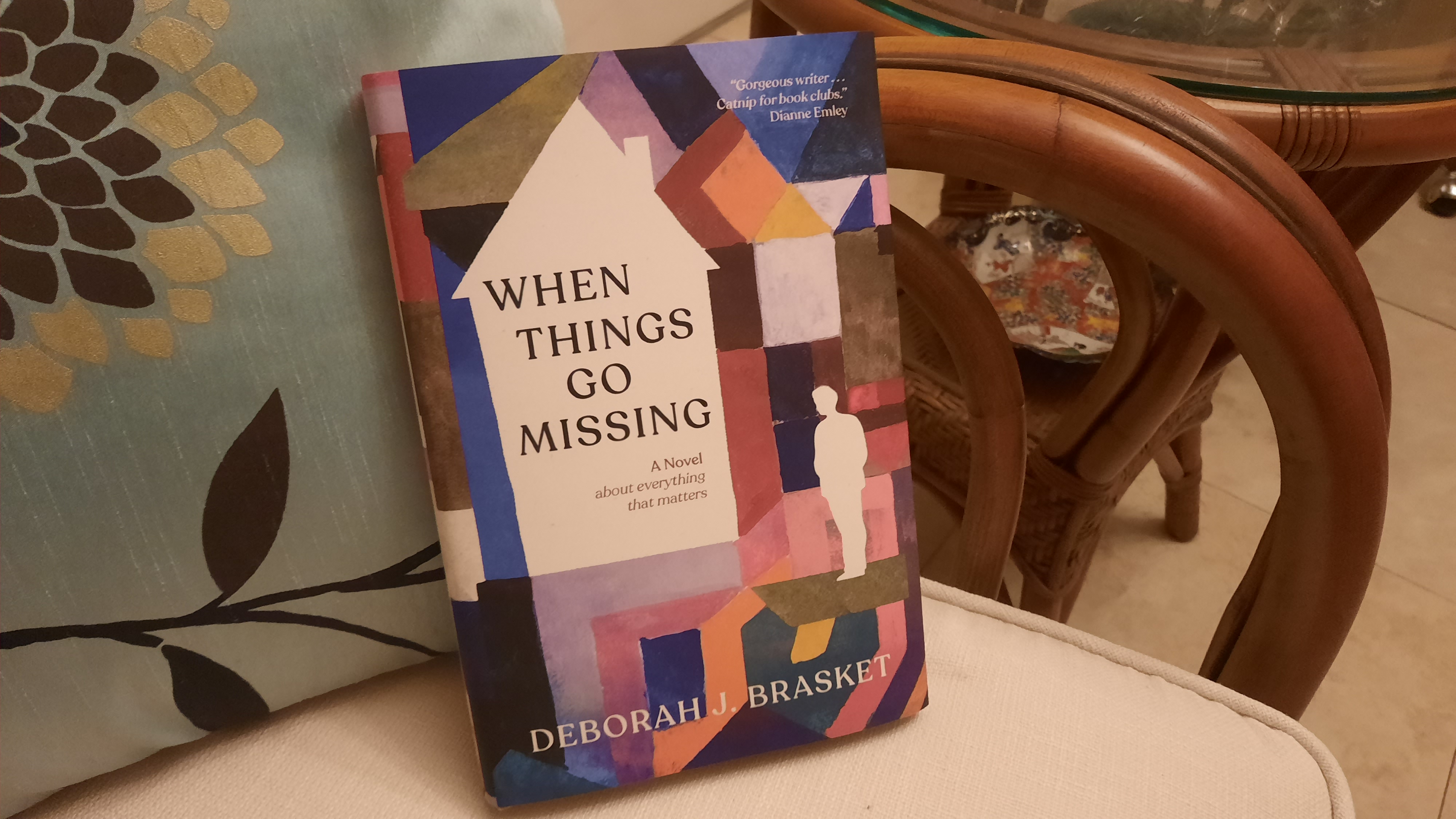
By Dawn Pisturino, Poet and Author
This beautifully written book captured my attention from the first word. Although this is Brasket’s debut novel, she writes with confidence and authenticity.
When Franny abruptly leaves her family in California and travels south to pursue her photographic career, her daughter Kay reacts in horror, her son Cal feels indifferent, and her husband Walter accepts it, figuring she will eventually return home. Kay is determined to find her mother, even though her mother’s phone messages reassure her that she’s okay. Drug addict Cal expects his father to kick him out of the house. Walter pays his wife’s credit card bills and keeps track of her travels through Central and South America.
Without Franny holding the family together, things begin to unravel. Kay feels lost without her mother’s guidance. Cal falls into a deeper hole. Walter makes a life-changing decision. Franny’s limited contact with the family confirms her safety but leaves them all wondering what to do with their lives.
The story is revealed through the eyes of Kay, Cal, and Walter. As the characters struggle to cope, they find themselves changing, growing, and choosing new directions. The family—which was so fragmented—forges stronger bonds, leading to a satisfying conclusion.
I highly recommend this family-oriented novel and rate it five stars. (Thank you, Dawn!!)
My Review, Our Loveliest Bruises by Robert Okaji
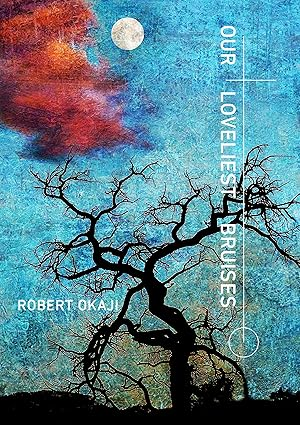
I’ve long been a fan of Robert’s poetry and shared a favorite on these pages years ago: Music Like Waves, Rising, Dispersing.
He wrote recently on his website O at the Edges: “We’re all terminal, but some of us have accelerated time lines.
A few months ago I was diagnosed with late stage metastatic lung cancer. The prognosis, as you might imagine, is not good, and the timing is uncertain. Do I have six months? Three years? More? Less? No one can say.
To that end, I choose to celebrate, to share those brief wonders and observations, the sights, feel, smells and sounds of tangible and intangible joys, the moments and experiences, no matter how small and seemingly insignificant, that weave through our days and add immeasurably to our lives.“
Ann Marie Seawell, Canada’s Poet Laureate writes: To sit with Robert Okaji’s poem is to come into the presence of Spirit, breathing and alive, grounded in exquisite technique and gloriously unpretentios.
Another poet, Michel Simms, writes in the introduction: “Robert Okaji, facing his imminent death, celebrates the radiance of absense, transforming his own passing into a conceit for the changing world.”
The book is also about his mother’s passing and how her spirit haunts him, beckons him, reprimands and challenges him. How he sees his own coming demise through hers, and wrestles with that.
And it is full of music and art, meditations on the color blue, on absence, and unanswered questions.
One of the first poems in his book is The Shakuhachi Knows, the shakuhachi being a Japanese flute: a hollow wooden instrument full of holes through which breath, like wind, passes and melancholy music emerges.
It starts with: “Silence pours through itself / and huddles against the light.” Further on: “What is the color / of love or a shadow’s weight? / When will this begin to end?“
Toward the middle of the book is Blowing on the Bamboo Flute, my Mind Wanders. At its center is this:
“Surely what you are not signifies what you are.
The flute or the player, the breath / or the opening?
If I die today at least I have tasted good air / and scratched my cat behind her ears.“
The last poem in the book is Enso: Pleasure in Absence of Ending.
“Enso is a Zen symbol of wholeness and completion, of emptiness, simplicity, endlessness, and so much more. It is often depicted as an incomplete circle,” writes Robert in his Notes.
This poem has at its center:
“An ending, by definition, concludes.
But what occurs in a circle’s body, or infinity’s border?“
At the end–the final words in this most lovely, yet bruising book:
“Starting at the top, the brush moves down and right, /clockwise, then rising in opposition, halts.
Some leave a gap, others do not.
Aching, incomplete, I step away.“
I will step away too, and let these poems linger. Needless to say, I highly recommend Our Loveliest Bruises.
The Uproar Over AI for Authors & Publishers
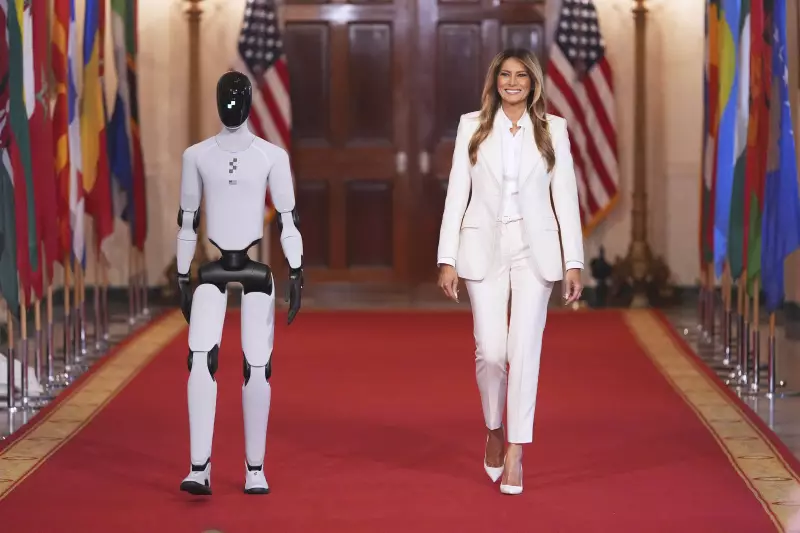
The problem is, sometimes it’s difficult to tell the difference between the robot and the human.
That’s why I, as an author and publisher, like so many others, am adding this to the copyright page of my newest novel This Sea Within: “No AI was used in the creation of this book or cover. Any use of this publication to train generative artificial intelligence (AI) technologies or generate text and images is expressly prohibited.“
Of course, no one will know if I’m telling the truth. It’s all on the honor system, and we know that system has many flaws. That’s why the new “I’m a Human ” badge that so many organizations are putting out there shows that while their heart is in the right place, their methods lacks the rigor needed to be effective.
Several authors have written about this in more detail than I can go into here. On author Chuck Windig’s Terrible Minds blog, he writes in his forthright, salty language about his opposition to both generative AI in Shy Girl, AI In Writing, And A New Perniciousness and to a new brigade of self-designated AI-police who claim to be able to tell the difference between AI and human creations. But often they get it wrong, causing havoc in authors’ and other creatives’ lives. Here’s a bit of what Chuck says so well that really struck home with me:
“I see some folks putting forth the ‘signs’ that told them that Shy Girl was very obviously AI-written, and those signs include a number of stylistic choices.
And when I say stylistic choices, they are not choices that generative AI made, because generative AI doesn’t make choices. It just eats and regurgitates.
We make choices, as authors. Narrative ones, stylistic ones, and so forth.
But this list of signs and symptoms and AI portents included stylistic choices that I myself absolutely one hundred percent make. Same as the emdash. I’ve seen people say that AI loves metaphors, AI loves certain kinds of repetition, it loves adjectives no wait it loves adverbs no wait it loves alliteration no wait–
Of course, again, as with choices, AI doesn’t love a fucking thing, because AI isn’t alive, it isn’t intelligent, it isn’t aware. The key word is always artificial. It fakes it. It fakes choices. It fakes preferences. It fakes love. And it is able to fake it because it stole those choices and preferences from us.“
In other words: AI doesn’t have a style, doesn’t love to do anything, but only does what it’s programmed to do: plagiarize human works of art. That’s why it’s hard to tell AI produced writing from human writing, and why it will continue getting harder as it gets better at what it’s programmed to do. AND THAT’S SCAREY!
These next three links came my way by Nathan Bransford’s blog where he provides helpful info to writers. (Thank you, Nathan!)
As AI Discourse Rages, Publishing Has More Questions Than Answers – Sam Spratford, Publishers Weekly – The publishing industry is still reckoning with the fallout from Hachette’s cancellation of Mia Ballard’s Shy Girl, with agents worrying about a collapse of trust, and others worrying that Hachette (a company that publicly admits to using A.I. in its operations) threw the author under the bus.
The People Falsely Accused of Using AI – Emma Alpern, The Intelligencer / AI detection and authors’ fear of witch hunts – Jane Friedman – Humans are already being accused of being robots, particularly neurodivergent writers, and tools to reliably prove A.I.-usage are scant and faulty.
I’m sure this will be an ongoing conversation and debate for years to come.
Discover more from Deborah J. Brasket, Author
Subscribe to get the latest posts sent to your email.

Love the cover, but there is a typo in my quote at the top. Turning instead of tuning.
LikeLiked by 1 person
Thank you, Mark! How did I miss that all this time? The eye sees what it expectsto see, it seems.
LikeLiked by 1 person
Typos are gonna typo.
LikeLike
There are now AI detectors that you can feed writing into and they claim that they can detect whether it is AI. I’ve seen several people on Twitter claim that they fed their original writing into various AI detectors only to have them spit out results that their original writing is 50% AI or 70% AI.
We have truly lost our way on this stuff already, and GenAI is barely scratching the surface. Give it a few more years and … jeez.
LikeLiked by 2 people
It’s a crazy new world, a wild frontier with AI, Trump, and so much more.
LikeLiked by 1 person
AI seems to be a pandora we won’t be able to control or put back in the box. Your new book seems very engaging and intriguing Deborah. I would be happy to be a volunteer reader. And Robert’s poetry sounds very moving.
LikeLiked by 1 person
Thank you, Brad! I’ll have it ready to send you next week.
LikeLiked by 1 person
Great!
LikeLike