
Tags
Ada Limon, art, artful design, creating a home, curation, experiential choreographing, furnishing a home, inspiration, interior decorating, life, meditation on being me deeply, obsession with blue
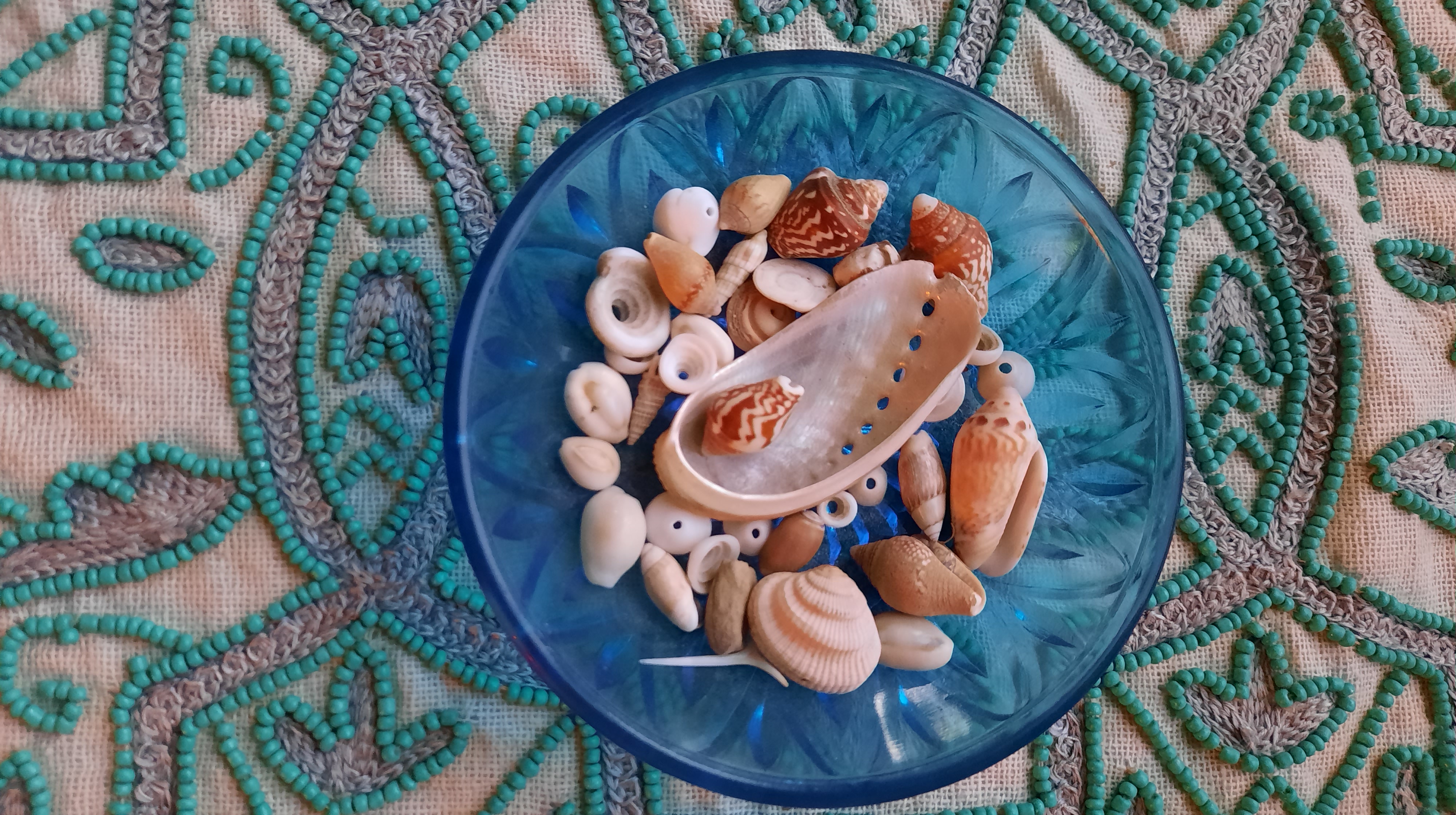
I’m sitting here with my morning coffee, a flicker of fire warming the room while the dark windows slowly lighten. A wash of pale blue carpet spills like a tropical sea at my feet as I gaze at all the things I love gathered over a lifetime around the room.
So many shades of blue!
So much carved wood!
All this texture.
All curated and choreographed to please the eye, please me when my gaze rests upon them.
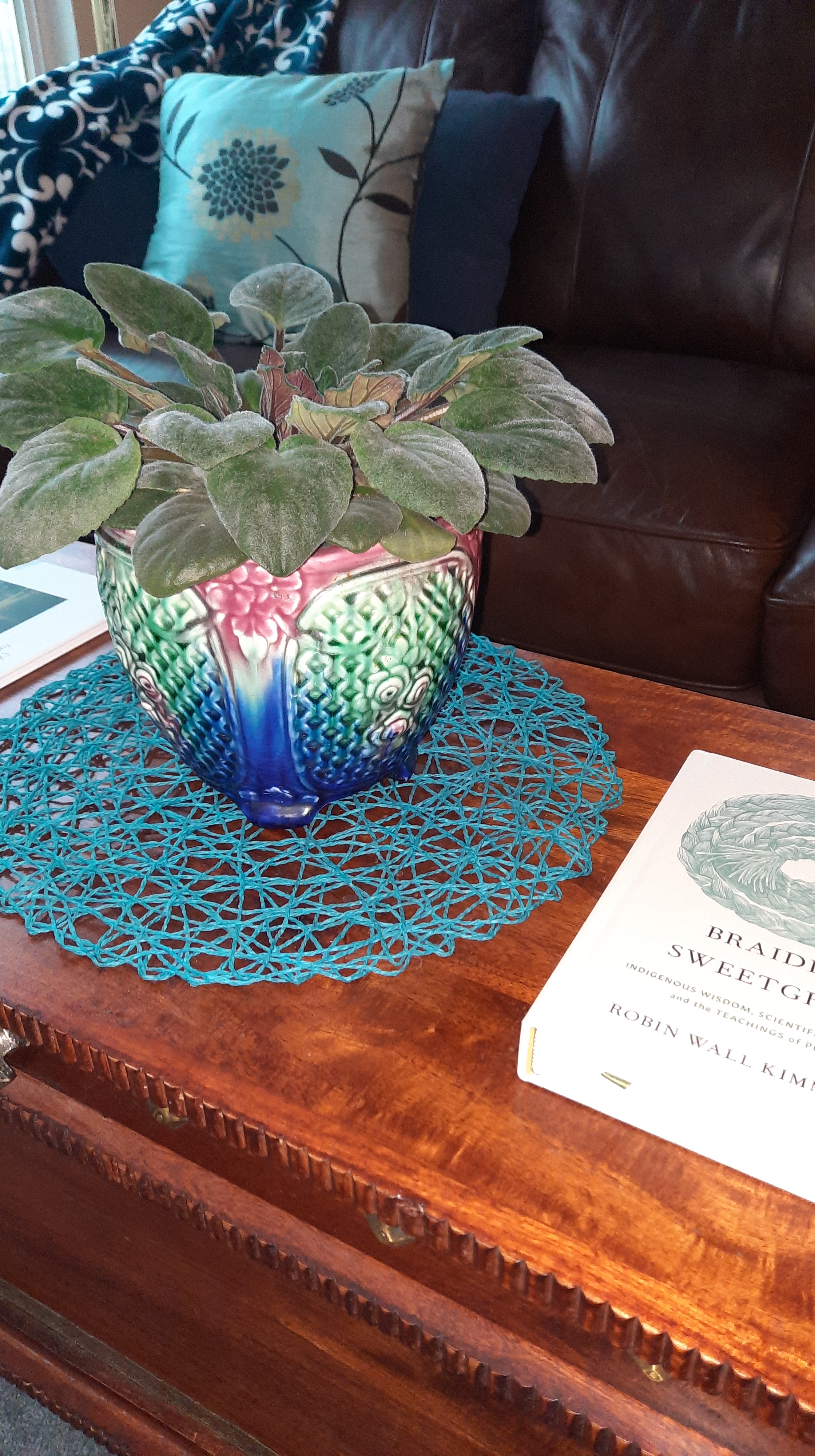
I’m looking at an antique vase filled with African Violets.
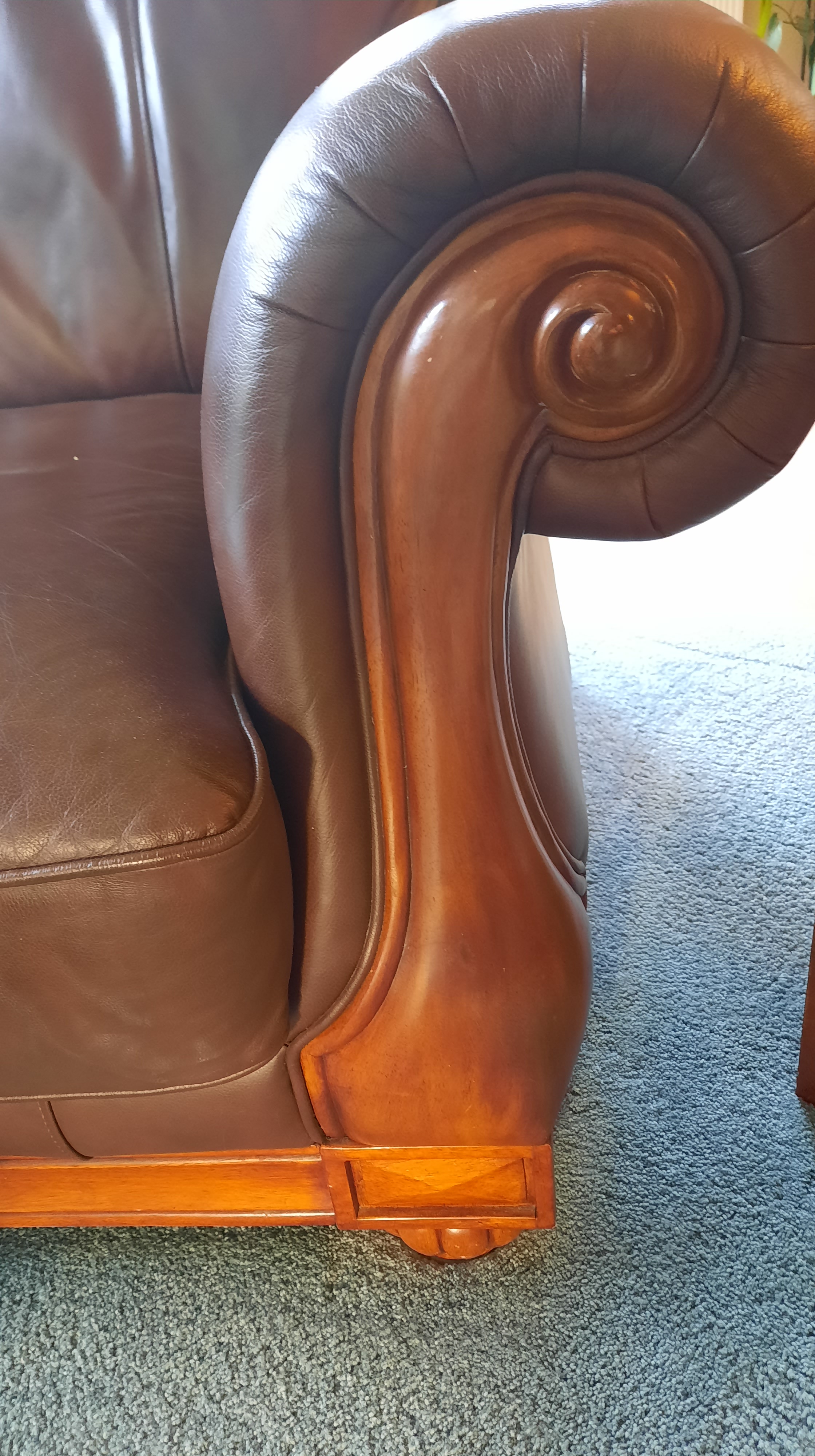
I’m looking at the carved wooden scroll on the leather couch.
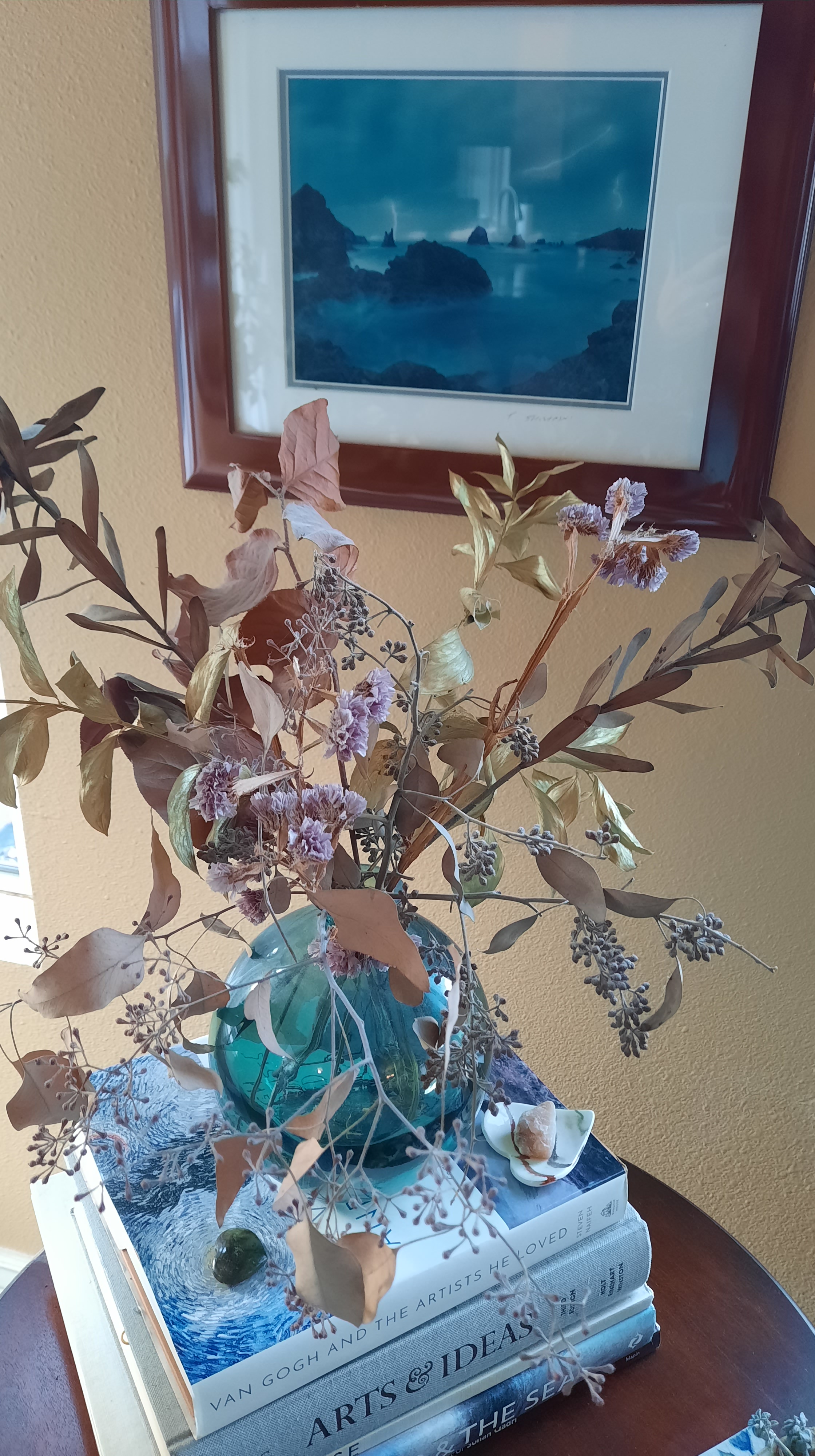
I’m looking at a dried floral arrangement in a turquoise bowl set on a pile of art books. That photo of a stormy sea.
Why do I take such delight in these things?
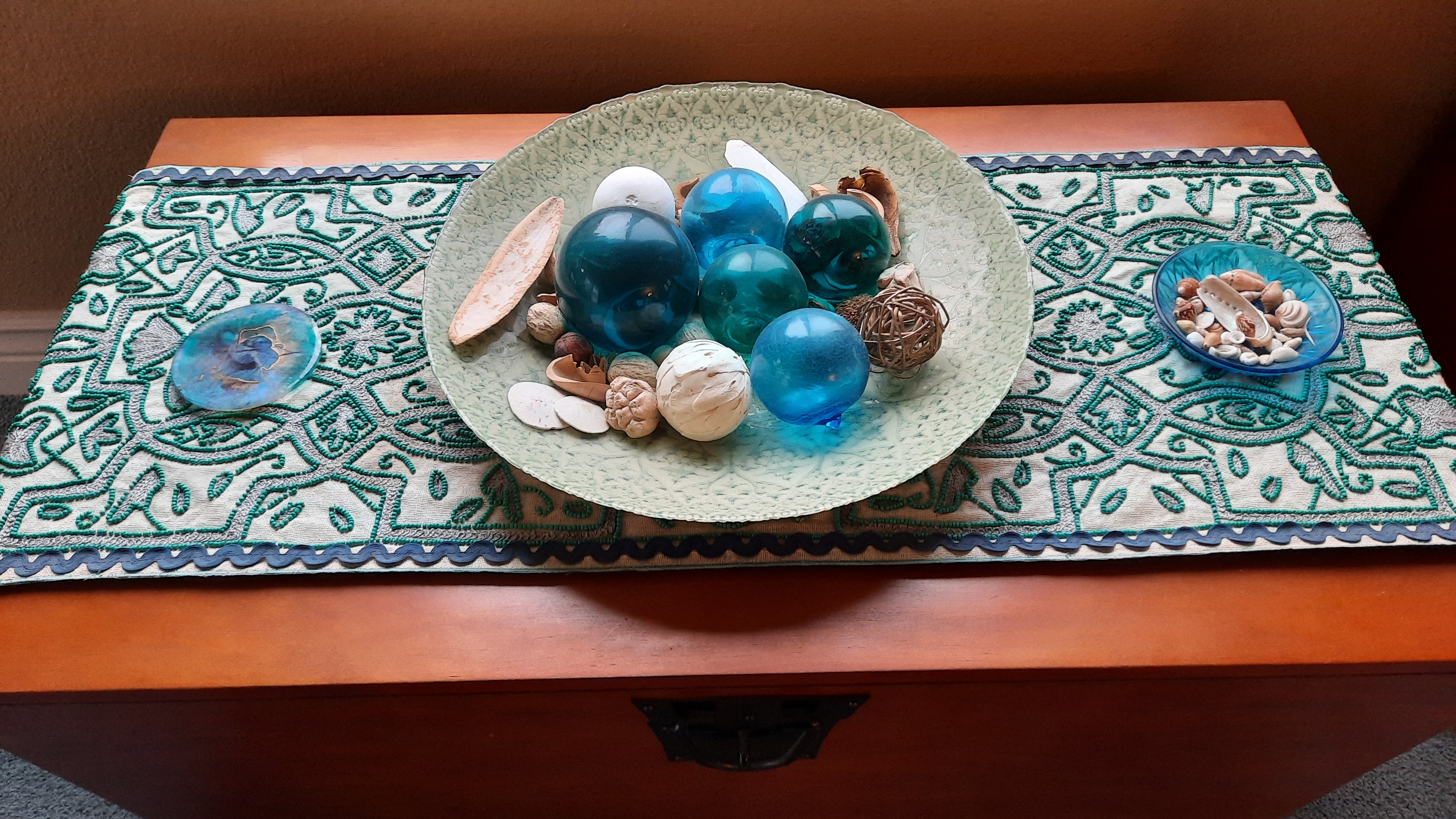
The intricate design of a beaded turquoise tapestry, and the blue bowls filled with treasure gathered from the beaches where we sailed.
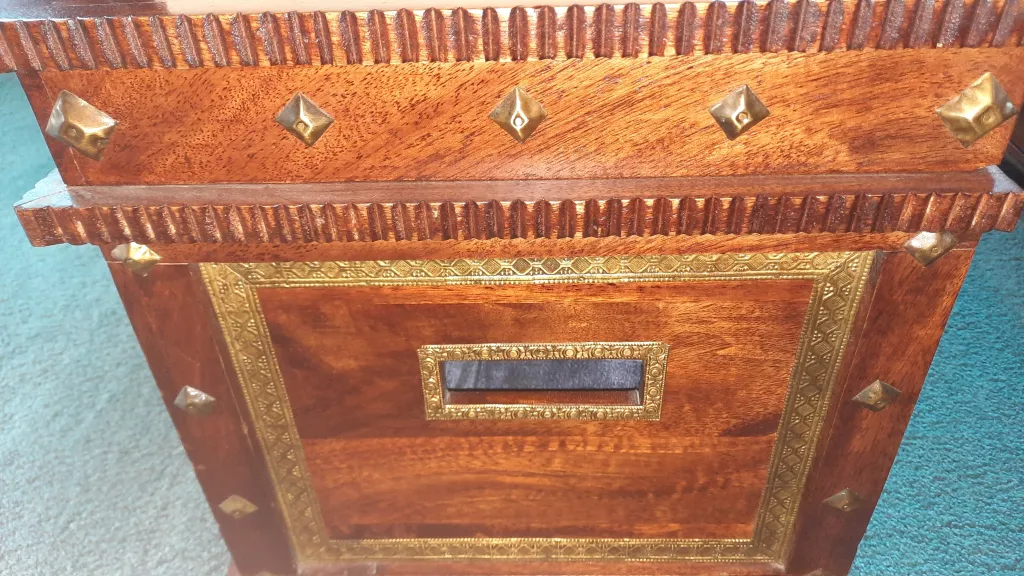
The brass nails and trim on the coffee table chest with its intricate golden grain.
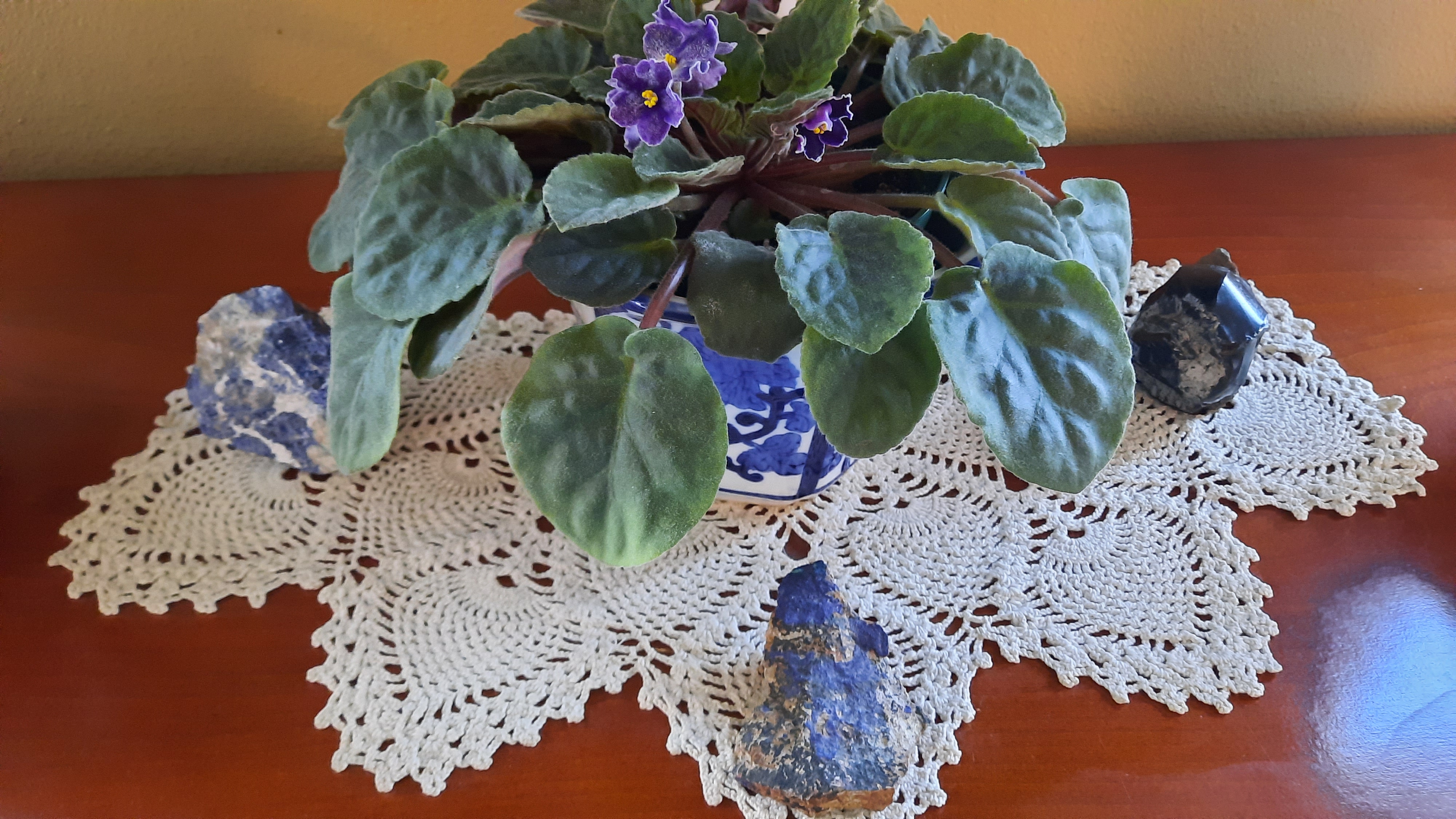
Violets in blue bowl surrounded by blue rocks on a crocheted doily.
Details! Details! Why do I love them so? Why do they matter? Why do I matter–my tastes, my treasures, my obsessions? Why do you?
We just do! We just do! No purpose. No reason. Just each singular thing juxtoposed against another, in harmony with each other, singing its song, being what it is, just for itself. No more than that.
And me? The curator, the choreographer, the lover, entranced with the beauty of it all, loving each color, each texture, each detail. Loving its song and the way it makes me feel, touching something deep inside, this thrill of being: This simple, astute and sacred sense of self-so-ness. Being me deeply.
I wrote this several days ago and hesitated posting it. It sounded too me, me, me. Why would anyone want to read this? Even I wasn’t sure what it meant, why those words “me, being deeply” came to me with such clarity and passion.
Then I read this in an interview with poet Ada Limón:
“There’s sometimes a misconception that poetry only deals with self and autobiography,” she told Tricycle. “But if you spend your life devoted to noticing and to looking, your sense of self begins to dissolve, because you’re looking outward, and then you recognize that things are looking back at you.”
“When you’re deeply looking at something, you’re loving it. And I think that when you do that, whether it’s with a person or a nonhuman animal or a plant or a tree, it is a way of witnessing and being witnessed.”
Things looking back at you! A way of witnessing and being witnessed!
Yes! That’s exactly what this is all about: me looking at things and loving them, and them looking back and loving me. I realized the emphasis isn’t on “me being deeply,” but “me being deeply.” Being so much more than this “me.” Being one with the things I love that love me back. One with the artists and crafts people who painted and glazed that vase, blew life into that turquoise bowl, chose the beads to sew into that tapestry, carved those scrolls, varnished and polished that wooden chest to a golden glow.
And what of the rocks and shells and violets? Who designed and crafted and loved them into being?
I realize now that what I’m loving in all these things is so much deeper and wider than myself. There’s a whole crowd of lovers here who loved what they wrought and put it out into the world for others to love too–seeking a receptive mind and heart. And I responded. I saw them and loved them, brought them into my home, and found the perfect places to display them. Just so I could sit here and admire them, love them, and feel them looking back and loving me too.
A circle completed.
Limón referred to it as a de-centering of the self. Perhaps. Or perhaps a rounding out. Or discovering a deeper self that draws us all together and loves what it gathers.
Each detail matters because its part of a larger tapestry that would not be complete without each of us. That’s why all this matters.
You. Me. Everything.
When Things Go Missing
“A Novel about Everything that Matters”
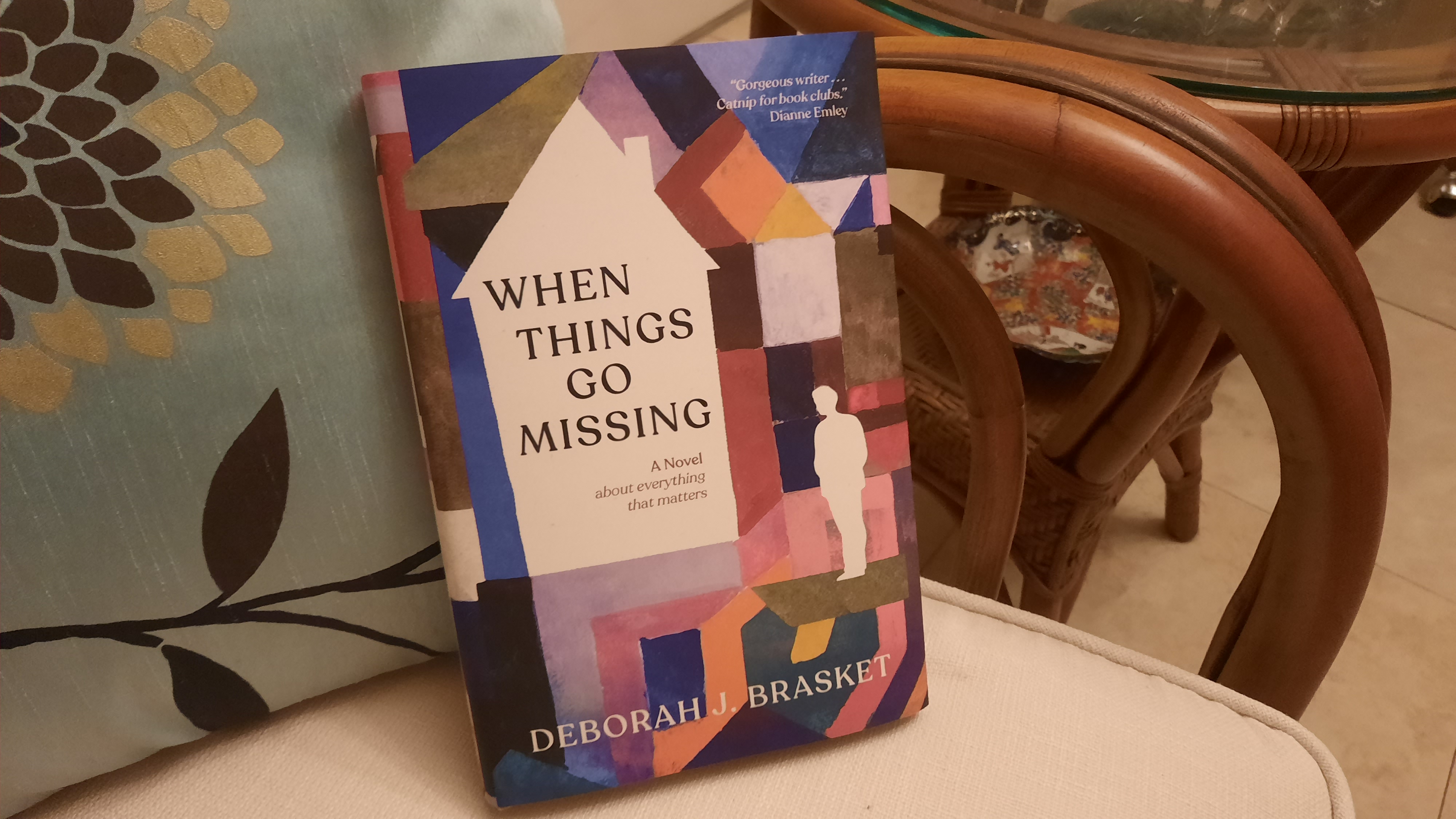
That’s how my agent introduced When Things Go Missing when she sent it to acquisitions editors, as a novel about everything that matters. It’s what I used as a tagline when I published it. I don’t know that this book is about everything that matters to anyone but me, but the fact that she felt that way meant a lot. Find out for yourself is she was right. It’s available at Amazon, Amazon UK, Amazon AUS, Bookshop, Barnes & Noble and other major outlets.
Discover more from Deborah J. Brasket, Author
Subscribe to get the latest posts sent to your email.

A very life-affirming meditation! I have the same appreciation of my beautiful things.
LikeLiked by 1 person
I’m glad you thought so, Liz! That’s what it felt like to me too, a meditation. I’m not surprised you have that same appreciation for “things”–perhaps for poets it’s a necessity.
LikeLiked by 1 person
That could very well be!
LikeLike
This was fun and touching Deborah. I take care with the details of my home too but hadn’t considered the decorations as things I love that love me back. Being deeply….
LikeLiked by 1 person
I’m glad you thought so, Brad! Even this morning I was wondering whether I should have shared this. It was a startling revelation when I read what Limon said about things looking back, but I felt the truth of it.
LikeLike
Love this post. You’ve inspired me to write a similar post, Deborah. We’ll see what develops! I’ve been traveling in the PNW so when we get home to Carolina in a few days everything will look fresh and new…….
LikeLiked by 1 person
I’m so happy to hear that, Valorie. I’m looking forward to reading your post. You might want to take a look at something I found on Marginalia today, where Underhill writes about that deeper sense of being in such a profound way that makes perfect sense. If I had read this before posting this today, I would have included quotes from her too, about shedding the surface self and going deeper. https://www.themarginalian.org/2026/02/18/evelyn-underhill-surface-self/
LikeLike
Thank you for this, Deborah, it is a beautiful essay.
LikeLiked by 1 person
You and I are alike ~ my tiny van home is filled with visual beauty rather than mundane utility, and I keep it like a museum of precious harmony in this fragmenting world. It’s nourishment is at least as important to me as that of food.
I have an original Elizabeth’s sonnet with a final line which reads, “Attend to the domestic mandala.” Happy to forward the link if you’re interested in reading it.
LikeLiked by 1 person
You are so right, Ana. It is a nourishment. I’d love to read your sonnet, please forward link. Love that last line.
LikeLiked by 1 person
Here you go, dear:
LikeLiked by 1 person
Thanks so much for sharing this Ana! I love your poem. It expresses what I feel about my home too, and the care I take to artfully curate objects for display–for my own pleasure and those who visit. Yes, I too think it can nourish others and somehow reflects that cosmic order or harmony and beauty.
LikeLiked by 1 person
We’re definitely on the same page 👌
LikeLike
Great thoughts on things you love, Deborah! 😍
LikeLiked by 1 person
Thank you, Tim.
LikeLiked by 1 person
😍
LikeLike
This does not come across as a self-centered post, Deborah. Instead, I take it to mean that there is so much to appreciate in the things around us if we slow down, take a breath, and are observant.
LikeLiked by 1 person
Aw, that’s a lovely way to put it, Peter. Thank you so much for sharing that and giving me reassurance about a post I was hesitant to share.
LikeLiked by 1 person
I so understand this, and it’s beautiful. my little house is filled only with things I love
LikeLiked by 1 person
Thank you so much, Beth. It’s such a lovely thing to do, isn’t it?
LikeLiked by 1 person
❤
LikeLike
A wonderful post… thoughts, ideas and photos! I think and feel very much the same about the things I love.
LikeLiked by 1 person
I’m so glad you enjoyed this, Nicole! Thank you for letting me know.
LikeLiked by 1 person
Loved this post, Deborah. You connected the individual special things you’ve collected and what they mean to you with “a deeper self that draws us all together and loves what it gathers.”
I also love the Ida Limón quotes from the Tricycle interview about losing herself while looking deeply into something in nature and being seen by that other. The line between subject and object is blurred as some form of communication takes place based on love.
It reminded me of what Rainer Maria Rilke wrote in a letter to Baladine Klossowska, a lover and fellow writer with whom he shared a passionate correspondence, quoted in Jane Hirshfield’s book, Nine Gates: Entering the Mind of Poetry, about that essential art of deep seeing, and its surprising hidden reward of spiritual transformation.
These Things whose essential life you want to express first ask you. “Are you free? Are you prepared to devote all your love to me . . . ?” And if the Thing sees that you are otherwise occupied with even a particle of your interest, it shuts itself off; it may perhaps give you some slight sign of friendship, or word or a nod, but it will never give you its heart, entrust you with its patient being, its sweet sidereal constancy, which makes it so like the constellations in the sky. In order for a Thing to speak to you, you must regard it for a certain time as the only one that exists, as the one and only phenomenon which, through your laborious and exclusive love, is now placed at the center of the universe, and which, in that incomparable place, is on that day attended by angels.
I was able to read the Tricycle article and listen to the whole interview. They mention poet Marie Howe, Ida’s teacher and friend. I read that her latest collection, New and Selected Poems, which brings together four decades of her writing, recently won the 2025 Pulitzer Prize for Poetry.
In a January 11, 2018 interview with The Millions, New York poet laureate Marie Howe is asked if she thinks of writing as a spiritual act at its core. Her answer reveals the other aspect of that deep seeing, the paradoxical nature of the self disappearing and attending to what is happening. It explains Ida’s experience.
“I do, because it involves a wonderful contradiction, which is, in order for it to happen, you have to be there, and you have to disappear. Both. You know, nothing feels as good as that. Being there and disappearing—being possessed by something else. Something happening through you, but you’re attending it. There are few other things in the world like that, but writing is pretty much a relief from the self—and yet the self has to be utterly there.”
Marie Howe’s poem, Annunciation, written in the voice of Mary, mother of Jesus, came through her that way. She discussed it with Krista Tippett On Being and read the poem at the end of The Poetry of Ordinary Time, recorded In The Room, April 2013. I created a blog post about it with Marie reciting the poem. It’s both beautiful and powerful!
LikeLiked by 1 person
Loved reading all of this, Ken. Thank you for sharing. I will have to follow up on some of the things you recommended. Nine Gates is one of my a favorite books. I don’t remember that letter you mention but will be sure to take another look. Love the quote from Marie Howe too. Please send me a link to that post you recreated. Sounds fascinating.
LikeLike
Deborah, you posted a lovely comment on my blog post, Discover Ada Limón, the 24th U.S. Poet Laureate. In there I mention and include that letter by Rilke quoted in Nine Gates, which starts halfway down page 119 to the top of page 120.
As for Marie Howe’s quote about writing as a spiritual act from The Millions interview, it’s in this post, What the Living Do—Marie Howe’s ‘letterl to her brother—an elegy to loss and how she lives with it.
I also include it in this other post, New York poet laureate Marie Howe reads “Annunciation” to Krista Tippett On Being.
Since you mentioned that wonderful Tricyle interview with Ada Limón, I found one with Marie Howe. I added it in a comment to my post on her poem, What the Living Do. It turns out that Marie was Ada’s teacher at college, and they are still friends. Here’s that recent interview.
The Work of Not Knowing, July 23, 2025 podcast episode of Tricycle Talks. Pulitzer Prize winner Marie Howe discusses how poetry can help us cultivate attention and devotion to the ordinary.
At 24:12, Tricycle’s editor-in-chief, James Shaheen, brings up Marie’s brother John and their relationship. At 33:12, he asks Marie to read “What the Living Do”, that book’s title poem, which was written as a letter to her deceased brother.
The podcast is also available on Spotify, Amazon Music, and Apple Podcasts.
LikeLiked by 1 person
Thank you for all the shares, Ken!
LikeLike
You’re welcome, Deborah. I enjoyed putting them together for you. And for anyone else who might be curious to want to read or hear what these great poets have to say about the mystery and wonder of the creative process.
LikeLike