
Tags
art, author publishing, best book covers, book cover designing, books, choosing a book designer, Deborah J. Brasket, Indie publishing, naming a novel, This Sea Within, writing a series
As many of you know, I’m getting ready to publish my second novel, This Sea Within, later this year. But as I get further into the process of doing so, I’ve become lost in a swirling sea of questions that must be resolved soon. Like now. So I’m looking for input and hope you will help.
Since I’ve started formatting my novel I have to nail down the title. The working title is This Sea Within. But the working title of my first novel was From the Far Ends of the Earth, which I changed at the last minute to When Things Go Missing. I don’t want to make any last minute changes to this one. Especially since I’m ready to hire a book cover designer. So I need to nail down the title NOW.
Here are my questions for you:
Is This Sea Within a good novel title?
The title This Sea Within is supposed to evoke turbulent/passionate/restless/conflicting emotions within the protagonist as well as the world she lives in (and we live in!) It’s supposed to be give the reader the expectation that this novel will be an adventure/thriller with literary/poetic/romantic potential. The novel description and tagline will make all this clear, but as readers are scrolling through book title, they won’t know what it’s about aside from the title and book cover (which we will get to in a minute.)
So, if I go with the title This Sea Within, does it convey for you what I’m hoping it will? Or will it convey something that doesn’t line up?
For instance, I changed From the Far Ends of the Earth to When Things Go Missing when I received feedback that the first title/cover sounded/looked like a travel book, and didn’t give the reader a sense that this was a family drama saga. It did elude to a journey, which was my aim (each character parts ways as they go on their own journey to personal wholeness, and each makes their way back to each other and family wholeness at the end). But people weren’t getting that connection. When Things Go Missing gave a clearer sense of the anxiety, longing, and sense of loss that the book was about, a well as the things one does when things go missing–you go looking for what’s lost.
Should the book cover reveal my novel as book one of a series?
Or should it remain a stand-alone until book 2 is ready to publish?
The problem is that some readers might put off purchasing book one of the series until there’s a book two to read as well. They’d be more likely to purchase a standalone.
Other readers who enjoy reading series may be more likely to purchase a book one, knowing there’s another coming down the road if they enjoyed it.
The book can be read as a standalone. There are no cliff-hangers. The character arc is complete by the end of the book. And I think readers will feel satisfied by the ending and have a sense of things having come to a conclusion. However, the last chapter does refer to a new adventure that the protagonist is about to embark upon, which I hope readers will look forward to, if they enjoyed the first book
I’d love to hear your thoughts on this as a reader. And if you are also a writer who has some experience with this dilemma, I’d love to hear that also.
Should the title of the first book and the title of the series be the same, or different?
If I go with This Sea Within as the title of a stand-alone novel, there’s no problem. The cover will just include that title and the author’s name, nothing else.
But if I decide to advertise this as book one of a series, then I have this choice: I can name the book This Sea Within, Book One. Or I can have a different title for the first book, and call the whole series This Sea Within.
Many series are named after the first book in the series: The first book in The Hunger Games series is called The Hunger Games. The same with the Divergent series and Throne of Glass and Twilight.
Or, since book 2 and book 3 will have unique names under the Sea Within series banner, I could give the first book a unique name as well. Maybe something like:
THIS SEA WITHIN
Restless Uprising, Book 1
What would you advise?
Which of these book covers do you like most?
When looking for a cover designer I needed to give them a sense of what I was looking for in a cover, as well as examples of covers I liked that could serve as inspiration.
Here’s what I told the designers:
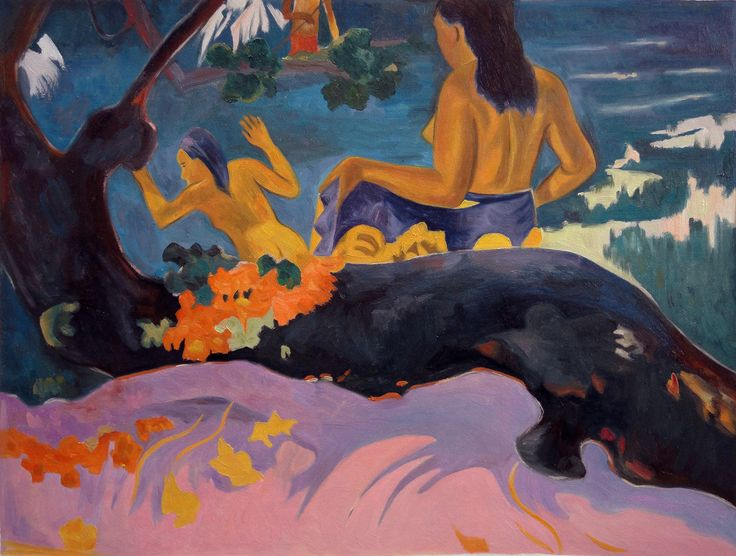
My series is an epic adventure and love story. It has a romantasy vibe, but it’s historical fiction set in the 70’s in Central America during a revolution. Mayan myth, poetry, and art play major roles, but its central theme is the tumultuous sea, symbolizing everlasting love as well as endless conflict, as history repeats itself. I’m looking for a collage-like cover that can weave together important elements from the novel, or something with a Gaugin feel that conveys a sense of adventure and romance, as well as peril in an exotic setting.
Here are some covers that I love. The first 3 are by Micaela Alcaino. Unfortunately, she’s not available to design mine. The next one is by Richard Ljoenes, who I’ve reached out to, and the last two are by Owen Gent, who designed the cover for my first novel, When Things Go Missing.
Which covers stand out to you or would draw you in as a reader?
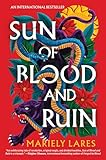
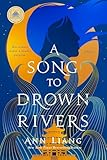
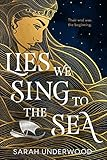
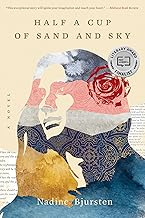
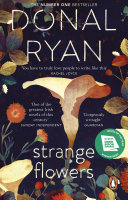
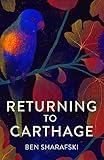
What I’m looking for is combined in the two trends described below in Book Cover Trends for This Year
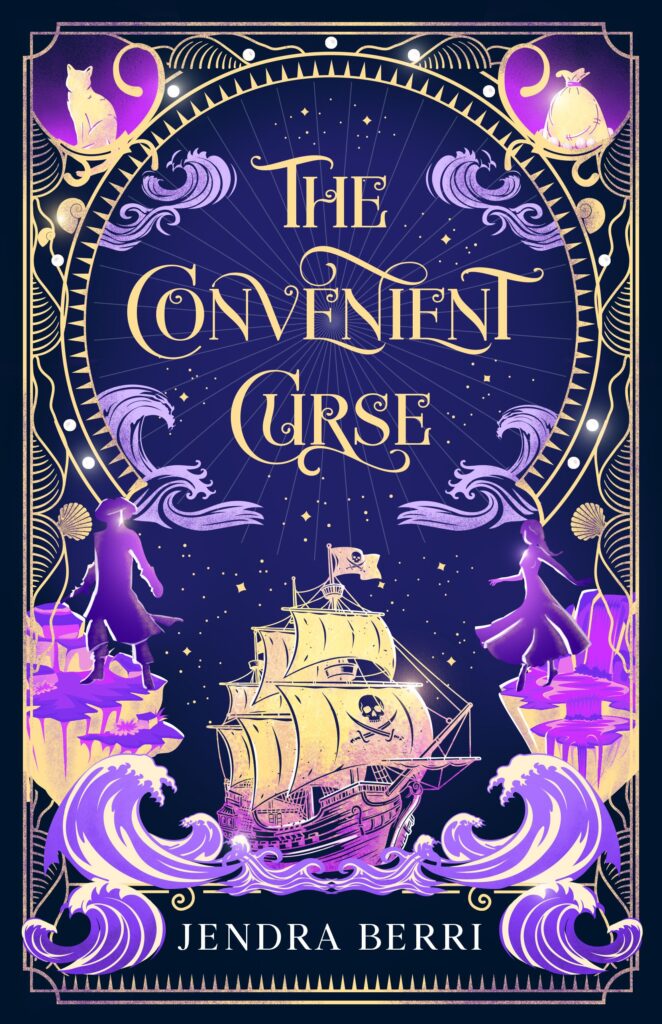
Visual worlds built layer by layer
These covers reward curious readers. At first glance, they feel rich and atmospheric—but up close, they reveal layers of intricate details, ornaments, symbols, and storytelling elements woven into the design.
Illustrations are dense and intentional: borders, patterns, hidden motifs, and carefully crafted scenes all work together to build a complete visual world. Every element feels placed with purpose, inviting readers to slow down, explore, and discover something new each time they look.
Genres: Fantasy, Mythology-inspired Fiction, Cozy Fantasy, Epic Adventure.
 |  |  |
Covers that feel like real works of art
This trend embraces imagery inspired by fine art: painterly textures, expressive brushstrokes, and compositions that feel handcrafted rather than digitally polished.
Instead of chasing realism, these covers lean into emotion, atmosphere, and symbolism. The artwork feels timeless, intimate, and often slightly imperfect, which makes it more human and memorable. Such covers invite readers to pause, look closer, and feel something before they even read the blurb.
This approach works beautifully for stories that value depth, reflection, and literary weight, where the cover sets the emotional tone rather than explains the plot.
Of course, this is all so subjective, but I’ve found that getting feedback from others helps me to narrow down my choices or rethink them. Just putting together this post helped me to clarify what my choices are.
I really would welcome any thoughts you have on any of this.
BREAKING NEWS! The cover of my novel When Things Go Missing was listed in Reedsy’s 20 Best Book Covers for 2025. It was one of two literary book covers chosen. Here’s what they wrote about the covers:
Literary Fiction
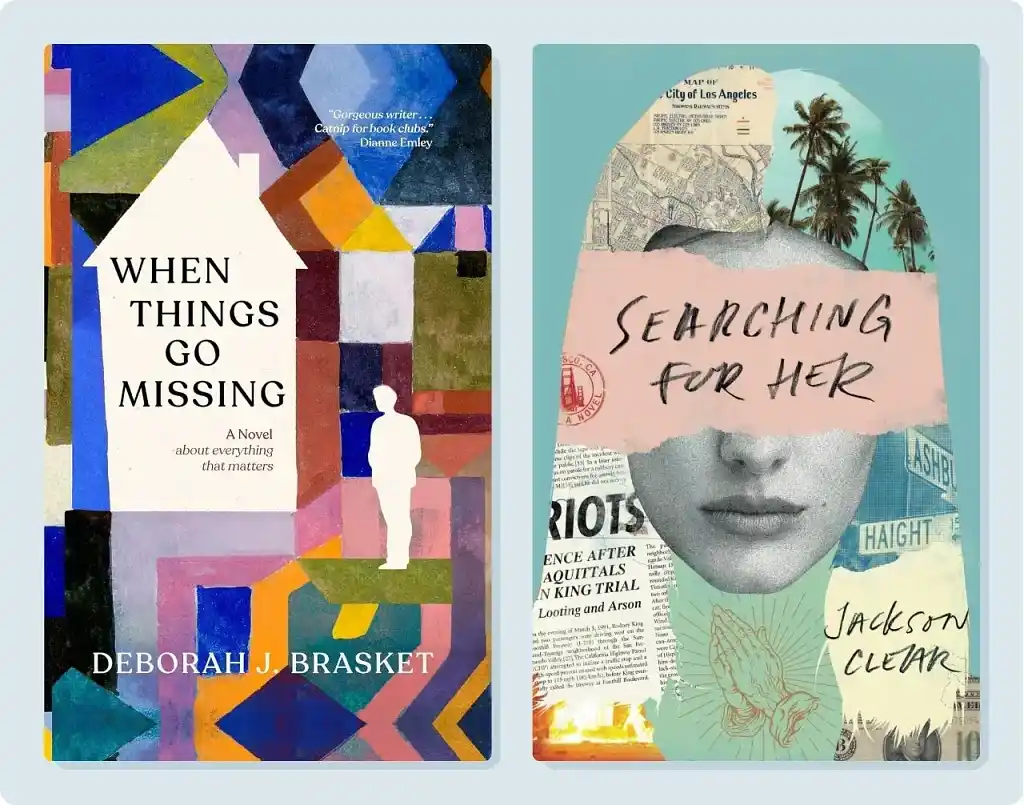
Literary fiction may not technically be a standalone genre, but that won’t stop us from including our two favourite lit fic covers on this list!
Author Deborah J. Brasket knew she’d found her foundation for When Things Go Missing when she discovered Colorful Architecture, a public-domain painting by Paul Klee. This presented designer Owen Gent with a unique challenge: how could he transform a piece of fine art into a functional book cover, while still honoring the spirit of the original?
Owen started with some minor tweaks to the original artwork, then added a few narrative-friendly elements like the whited-out house and silhouette. One fittingly elegant font later, and voilà: a book cover that bridges the gap between gallery and bookshelf.
Jackson Cleary’s Searching for Her is a novel about a deranged young man’s search for his soulmate, which designer Richard L. captured with an appropriately unhinged collage. Richard layers a number of disparate elements around a young woman’s face — vintage maps of Los Angeles, palm trees, streets signs, and newspaper clippings — to create a visual representation of the protagonist’s scattered psyche. The hand-lettered title scrawled across torn pink paper adds a raw, urgent energy as well.
I can’t thank Owen enough for working on this with me. I’ve reached out to him and to Richard to see if either of them are available to design my cover. Fingers crossed.
When Things Go Missing is available at at Amazon, Bookshop, Barnes & Noble, and other major outlets.
Discover more from Deborah J. Brasket, Author
Subscribe to get the latest posts sent to your email.

Hey Deborah … I think you should identify the book as a part of a series from the outset, whether or not the second book is ready to publish. Just seems that being honest with your readers requires that you do this. Of course, by the time I published The Dime, I thought it would become a series, but I wasn’t sure. So I made no mention of it possibly being a series. And it’s a good thing I didn’t, since I’ve left the world behind. For now.
And after reading your post, I think it would be okay and possibly the best route to call the book and the series the same thing … This Sea Within, with books two and three having different titles. You explanation that The Hunger Games and Divergent do this establishes the precedent for doing so.
LikeLiked by 2 people
Thanks, Mark. This is really helpful. From the feedback I’m getting so far, it sounds like the title This Sea Within works. I’m still waffling on whether to say book 1 yet. What about the covers? Do any of them strike you as working well for this book? Any that don’t work for you?
LikeLike
It’s hard for me to say about the cover since those are covers for other books and not proposed covers for your book. I’ll take a look again and try to see what I think.
LikeLike
I will say that I think the cover needs a lot of color. I feel like your story is very vibrant and full of life and passion. The cover needs to match that.
LikeLiked by 1 person
Thanks, Mark! I do love vibrant colors!
LikeLiked by 1 person
I like This Sea Within and that doesn’t have to be the name of the series but if it is, maybe the book titles continue that sea metaphor, like restless tides , undercurrents, create a list of sea words and synonyms .
I’m sure you’ve brainstormed titles, I think the book title being memorable is more important than what the series is called. Also, let it be stand alone, it’s ok not to have that expectation of another book coming, and to feel free to read out of sequence. I just got Strouts book 4 in her Lucy Barton series, I haven’t read #3 but I don’t care. Unless it’s really like a world building fantasy series where progression is important, but literary fiction doesn’t do that.
Here’s my brainstorm:
This Sea Within
Sea Change
Shifting Tides
Sea Cake
Sea Friends
My Inner Seas
My Seas
My Seas In
My Seas Within
Seas in Flux
Seas in Flow
You clearly have perfect intuition on covers, go with your artistic intuitive sense. Good luck!
LikeLiked by 3 people
Thanks so much, Claire! I’m glad you like the title This Sea Within. For me it captures so much of what this novel is about. So I’m going to settle with that for now.
I like your brainstorming list. Coincidentally, Shifting Tides was the title I’m considering for the second book! So this is a big thumbs up for going with that.
Choosing a designer is going to be super tough. All three of my top picks (aside from Micaela) are interested in designing it. And as a Libra, making decisions is super tough, especially when all three have so much to offer!
LikeLiked by 1 person
First — congratulations on your amazing progress! I love the cover of “When Things Go Missing” and the accolades from Reedsy are well deserved! I am not an experienced enough writer to give you advice, but I know what I like. I think your title “This Sea Within” is terrific and the comment/brainstorm I just read from Claire is chock full of good energy/great ideas which spark from your title thoughts. And I can’t tell you why exactly…but knowing what a fine eye you have for artwork, I can see why the cover selections you’ve offered appeal to you. Lovely – each of them – but there’s something about the design of the “Return to Carthage” book that I love. The colors, maybe? Or the boldness of the image, overall? Sending all of my best wishes. I know you’ll make great decisions! xo! 💝
LikeLiked by 3 people
Thank you, Vicki! It was such a fun surprise to discover my cover in the top twenty! I’m glad you like the title ‘This Sea Within” which others seem to like as well. So looks like I can make the decision to stick with it.
I do love that Carthage cover by Owen too! In fact, I partly chose Owen to design the When Things Go Missing cover, because I thought he’d be the perfect designer for This Sea Within, based on the Carthage and strange flowers cover. You don’t see it at first, but that flower in the middle is also a silhouette of two people. One of my design ideas was to have the silhouettes of two people on the cover (the two main characters/lovers) with the jungle and sea and armed conflict details surrounding it.
LikeLiked by 1 person
Love, love, love ALL of that!!! ❤️🥰❤️Thanks for inviting us along. Xo! 😘
LikeLiked by 1 person
You have a lot to decide and some good feedback here. If you use Sea Within, I prefer The Sea Within. But I like something direct like Turbulent Waters, Shifting Seas, Stormy Seas, etc. My favorite cover is Sun of Blood and Ruin for the bold colors and images that evoke Mayan or jungle themes. Many you can create a Mayan Sea image.
LikeLiked by 3 people
Oooh! I like that idea of a Mayan sea image. I do want to include something Mayan on the cover. I think that’s why I chose the Sun of Blook cover because of the jungle and Jaguar images. So i’m very pleased that you like it too.
So many ideas swirling around me!! How to choose? Thanks so much for your input. It really does help.
LikeLiked by 1 person
You’re most welcome.
LikeLiked by 1 person
Wonderful progress, Deborah, a great accomplishment!
LikeLiked by 2 people
Thanks, Tim!
LikeLiked by 1 person
You’re welcome, Deborah. 😍
LikeLike
I love the title
LikeLiked by 2 people
Thanks, Beth! From all the positive feedback I’ve been getting, looks like this name is a keeper.
LikeLiked by 1 person
Working on my second poetry collection over here too:) Writing is exciting huh?..:)
LikeLiked by 1 person
Yes, it is exciting! Best wishes to you on your new book.
LikeLiked by 1 person
As a reader, I usually don’t read novels that are identified as the first in a series. Of the sample covers, I’m drawn to Lies We Sing to the Sea. (The combination of the title and the artwork.) I know this is just me, but This Sea Within brings to mind indigestion. Back to the Lies We Sing to the Sea, I feel drawn to interaction with the sea (which takes so many different forms).
LikeLiked by 2 people
Thanks, Liz My daughter said the same thing about the first in a series. I really like the cover of the girl’s hair becoming the sea, too. As for your mention of indigestion, I’m guessing you get seasick easily. Is that it?
LikeLiked by 1 person
You’re welcome, Deborah. Yes, I don’t do rocking boat well.
LikeLiked by 1 person
I would trust your gut on this cover. You’ve done great on the others.
LikeLiked by 2 people
Thanks, Jacquie. Thing is, my gut is fickle! It could go so many directions. There’s probably several cover designs I would love. But I have to pick one. Sigh.
LikeLiked by 2 people
Hi Deborah–so many decisions to make! I like the title, though I understand Liz’s point, too. I love your metaphor of the sea for not simply this book, but also others in the series. You might want to look for quotes about the sea–Shakespeare maybe?–and find a phrase from that.
The Lies We Sing to the Sea draws me in because it looks and sounds lyrical. I like the small boat in her hair. It looks like it might be about ancient history or mythology.
I like Half a Cup of Sand and Sky because I wonder about the woman. Is there a mystery here? Why is part of her face faded–amnesia? The past? Trauma?
I suppose if you know there will be a second book, you should disclose it?
Good luck with whatever you decide. You seem to have a good track record!
LikeLiked by 2 people
Thank you, Merrill. This is helpful. I do love using quotes, and have found quite a few sea related ones to use. Still wobbling on whether to announce as a series. Traditional publishers never do. They are only standalone with series potential until they see how well the initial book sells. That’s not an issue for me, but I did want the book to stand alone. The two covers you chose are favorite. I loved the cover of Sand and Sky so much, I bought it, though have yet to read. It’s set in Iran during turbulent times, much like today.
LikeLiked by 1 person
You’re welcome, Deborah!
If the book is definitely stand alone, and if traditional publishers don’t normally announce the first book as part of a series, then I don’t see why you have to.
Poor Iran! The brutality of that regime shooting everyone! We recently watched the movie “It was Just an Accident” by director Jafar Panahi, who has been imprisoned several times. He was arrested again the week after we watched the movie.
LikeLiked by 1 person
Hi Deborah,
I like your proposed title. Without reading the description, it conjured up a sense of internal turmoil for me.
As long as the book stands alone, I don’t have strong feelings one way or another about whether you identify that it’s book one of a series up front. I’ve read many series where I’ve jumped in at a later book in the series because it looked interesting to me, and then gone back and read the others. For me, seeing that it’s book one of a series wouldn’t make me more or less inclined to read it.
As for covers, my preference is the first one (the red background). I love how colourful it is, and like how the background image is integrated with the title.
Michelle
LikeLiked by 3 people
I love the title! As a reader, I don’t think I’d read the first book of a series if the 2nd one isn’t out yet. From a writing standpoint, if it’s called Book One you could be putting a lot of pressure on yourself to write that 2nd one if it’s not written yet. The cover I felt the most drawn to was A Song to Drown Rivers – possibly because of the colors. Congratulations on nearing the finish line!
LikeLiked by 2 people
Thank you, Sheila! What you say makes sense about putting pressure on me for getting a second book out there. Although that is my intention, if for whatever reason that didn’t happen, it may be better to keep the book as a stand-alone. I’m so glad you love the title too! Thanks so much for coming here and giving me your helpful feedback.
LikeLike
The cover has the rare quality of making something look effortless while clearly reflecting a great deal of thought. Totally Tubulor! 🏄♂️
LikeLiked by 1 person
Thank you! I really appreciate that. Baris did a wonderful job on the cover.
LikeLiked by 1 person