Tags
art, Earth, inspiration, Nature, Paul Wittenberger, photography, poetry, spirituality, universe
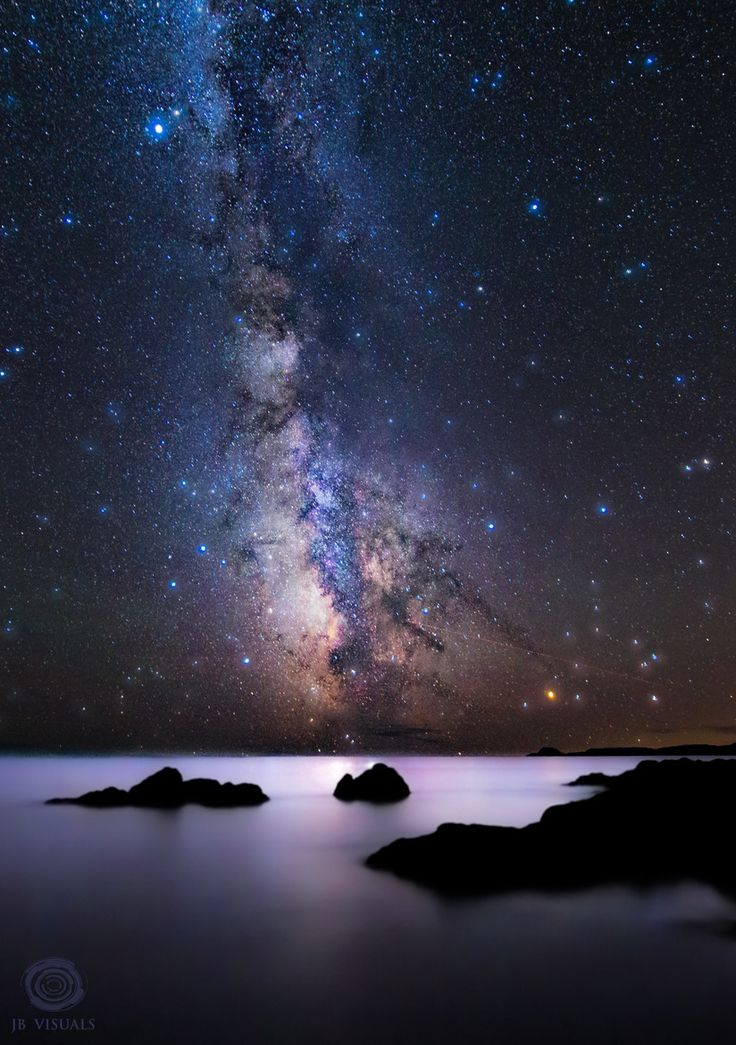
I’m sharing some poetry by Paul Wittenberger that struck me with their beauty and depth and the questions they raise about this universe and our relationship to it.
Inheritance
By Paul Wittenberger
A river inherits the shape
of the earth it erodes.
Light inherits the memory
of stars that explode.
We do not give meaning
to the world, we inherit it.
We are heirs to the meaning
locked within every moment,
and each breath is an act of
recognition, an answer to a
question older than time.
Stones do not sleep in silence.
Purpose is in each leaf that falls.
Even a machine can hum through
its bolts and frame in patterns of
meaning it can never fully name.
The Sixth Day
“An element in a system interacts and creates” **
by Paul Wittenberger
It is written
In an age time cannot
remember
when stars were young
and the sea
newly parted from the sky
an ancient power gathered
a handful of dust—grains
forsaken, forgotten, unknown
to each other, unknown even
to themselves,
and the power set its lips
upon this pile of nothing,
filled the dust
with the breath of its being,
seeking out each grain,
joining each together
until there was unity
in multiplicity.
Then the dust—which
was no longer dust rose.
It turned to the sky,
and for the first time,
the sky had a witness.
We say of the ancient power
that it was the creator.
But perhaps each grain
held its own quiet desire,
an unseen yearning
to draw forth a force greater
than itself.
What if creation
is not a gift bestowed
but a prayer
answered?
Who, then, is creator?
** Quote from The Synchronicity of Ulysses by George Sourrys
Did we inherit the universe or did it inherit us? Are we caught in a symbiotic relationship where we give meaning to each other?
Is the meaning of each leaf and rock intrinsic in itself before it communicates that to us? Do we, in the attention and love we give to each rock and leaf, layer on new meaning? Are we co-creators of the world we live in?
Do even the machines we create carry something of the universe in them?
I’ve raised these kinds of questions elsewhere on this blog, including Singing the Sea & Cultivating the Mind of Winter. But Paul’s eloquent verses deepen that conversation.
I’d love to hear what you think of these poems or the questions they raise.
Discover more from Deborah J. Brasket, Author
Subscribe to get the latest posts sent to your email.

Poignant words, Deborah. Thanks for sharing
LikeLiked by 1 person
Thanks, VJ. So grateful to Paul for allowing me to share them.
LikeLiked by 1 person
I love the question, the wonder, about the machines we carry…do they carry parts of the universe within. Thank you, Deborah. So much to consider. And timely…worthy of attention. 💕
LikeLiked by 1 person
Thanks, Vicki! I agree, so much to ponder.
LikeLiked by 1 person
“Purpose is in each leaf that falls.” Many people believe that, though probably not as many now as in past eras, at least in the West. The line is reminiscent of Matthew 10:29, which quotes Jesus as saying: “Are not two sparrows sold for a penny? And not one of them falls to the ground apart from your Father.”
LikeLiked by 1 person
Thanks for sharing that, Steve. I’d forgotten about that verse. I’m thinking about that as I look out my window this morning at a trail of quail with their babies.
LikeLike
Two poignant and thought-provoking poems, Deborah. I love the first one the best. Thanks for sharing, and these questions pop up probably several times a day. 🙂 We may never discover the answers. 💞
LikeLiked by 1 person
Thank you, Lauren! I’m glad you enjoyed the poems. It’s always a joy to share the things I love. Sorry I took so long to respond to this! Not sure how I missed it.
LikeLiked by 1 person
Well I’m basically an animist so I have this lens of our connectedness and interconnectedness with all objects—live or not. It’s all the substance of consciousness to me. However in daily life I have a conventional sense of reality. I enjoy these questions because they remind me of how I deeply connect with everything. 🙂
LikeLiked by 1 person
I really appreciate your sharing this with me, Ka. I don’t think I’m an animist, but I do believe in our interconnectedness, and that all substance is a form of consciousness. We seem to be on the same wave-length.
LikeLiked by 1 person
Thank you Deborah for bringing this poetry to my attention. The striking line of the first poem ‘Stones do not sleep in silence.’ How intriguing!
The verses speak to me about the nature of all objects and things. The combination of the words stones with sleep and silence, is just so delightful! I will mull over this image and expression a bit more.
LikeLiked by 1 person
I’m so glad you enjoyed these poems, Hanna. The line about the stones and silence spoke to me as well. I wonder if this will inspire a new poem from you. So much of what I read that moves me inspires a new blog post or poem or story.
LikeLiked by 1 person
Wonderful post
LikeLike
Thank you! I’m so glad you enjoyed it.
LikeLike