Tags
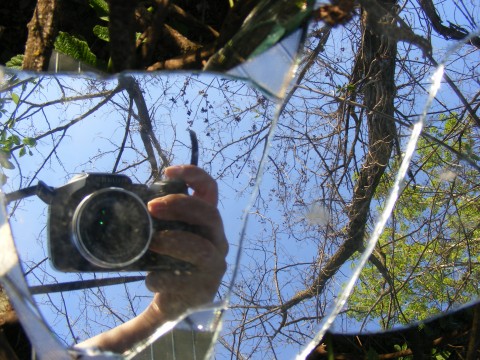
How much of our lives do we view through a narrow lens, whether through the lens of a camera, our own limited viewpoint, or the stories we tell about ourselves and each other?
When we walk through life with a perpetual camera around our necks, we are tempted to see everything through that narrow focus, framing everything we see–the city streets, the sunsets and landscapes, the people we pass, the objects that come into view. As we frame what we see and take photos, it helps us to notice things we may have overlooked otherwise, and to see these things in a new light. It intensifies our ability to discover the extraordinary in the ordinary, and allows us to capture and preserve those visions.
But it also breaks the whole into parts, raw experience into the photo-worthy and not-so-much. We experience things not as a participant, but an observer, a spectator or voyeur at worst, a curator of the significant at best.
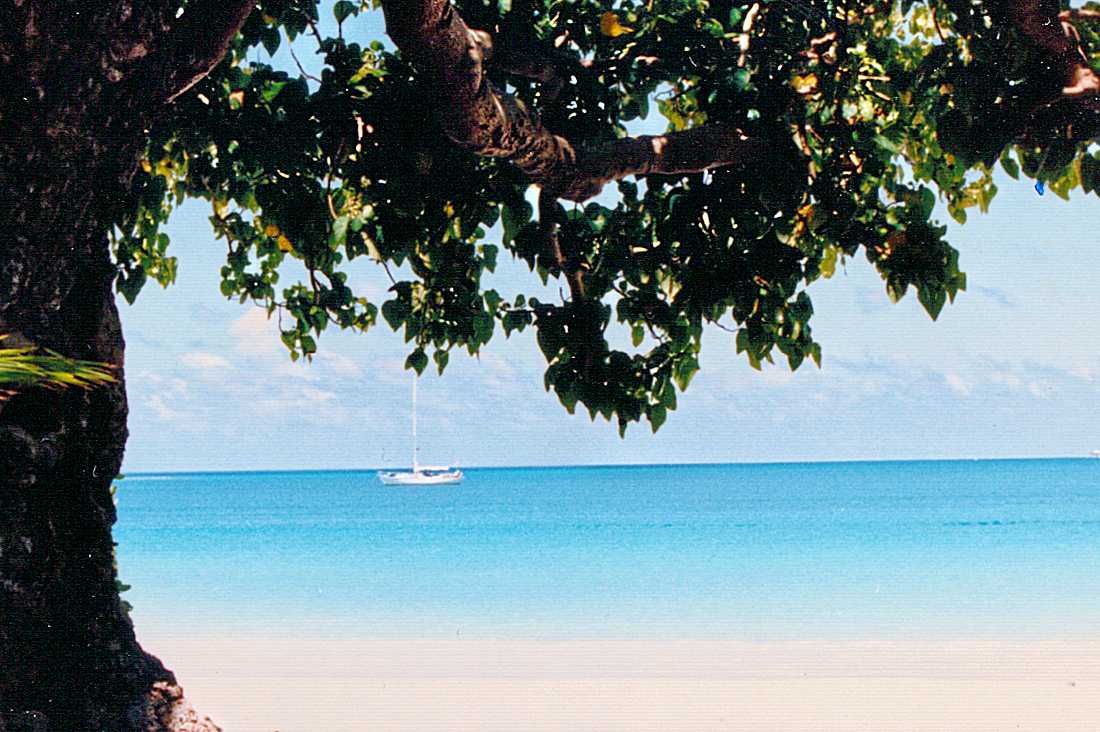 When we were sailing around the world, I wish I had done more of that capturing and preserving. There were no digital cameras then, and film was expensive and hard to store in a hot, damp climates. So now I have only a handful of photos from hikes through the enchanted valleys of the Marquesas. Three or four of our stay in legendary Bora Bora, a dozen from our three months in Samoa. Now I wish we had dozens more photos of each place to view and remember.
On the other hand, by the time my first grandchild was born we had a digital camera. Because I saw him so seldom, when I was with him I photographed him almost continuously, following him everywhere and capturing every sweet smile, every cute incident, every new thing he did.
Until I stood back one day and realized that by indulging the urge to “frame” everything for posterity, I was missing out on now, on just being with him–soaking up his presence, our time together–in the moment, raw and unfiltered.
 Now though, I do not regret all those photos I took. For I am able to relive those moments with greater clarity and in more detail that I might have been able to do so without them.
It’s all a balancing act, I guess.
As writers we do that too—viewing the world and our experiences through a mental lens, framing things for posterity, seeing images, events, interactions, as fodder for our stories. We couldn’t write without doing that, consciously, or unconsciously.
 But we have to know when to see things through the writer’s mind, as observer, spectator, curator, and when to put away that lens and become a participant in the raw experience that evolves around us. To “step barefoot into reality” as the poet Wallace Stevens once evoked.
It’s harder than we might imagine, to put away all the filters through which we experience life, and just “be” it. Life itself. Unfiltered.
NOTE: I wrote this post six years ago, but it shows, even then, my keen interest in photography, and even more in how we capture and reflect experience, limit and distort it. As you know, I’m researching a new novel with photography and the creative endeavor at its core, and the reading I’m doing meshes quite nicely with what I wrote here. So I thought I’d share this, my own take on this subject, before sharing what I’ve gathered from others.
Discover more from Deborah J. Brasket, Author
Subscribe to get the latest posts sent to your email.

Wise reflections on how we filter our lives through cameras, observing, and beliefs. I noticed a sense of too much (detachment while in observer mode when I carry a camera so I stopped carrying a camera. Now I may pop off a few quick shots with my cellphone and return to being in the experience.
LikeLike
I need to get a better camera/cell phone. I don’t trust what I have to capture what I want to preserve, so I lug my Nikon around. Even so I just use the automatic setting. Someday I’d like to really learn how to use it well.
LikeLiked by 1 person
It just takes practice but I’m unwilling to carry a camera around anymore.
LikeLike
Pingback: Creative Juice #133 | ARHtistic License
You’re right, Deborah, in our urge to capture the moment via a camera lens, we are apt to fail at being fully present in the moment itself, which is rather sad. Though it’s good to look back on family photographs, just like the one you have shared of your adorable grandson. They bring back treasured memories, don’t they? Our grandson is five years old. He became adept at posing for snaps at an early age, and still loves to grin for the camera. But it’s also important to respect their future desire for privacy as well, and not share everything in a public sphere. It definitely requires balance and a recognition of the gains and losses that can occur. Thank you for this thoughtful word. xo ❤
LikeLike