 Once when I was part of an effort to end homelessness in our community, one of the participants who had himself been homeless objected to the term. “We’re houseless, not homeless,” he insisted. Unfortunately his preferred term never caught on. I understood what he meant though. It was more than the fact that many people without housing live in cars or campers, or take up residence in empty buildings, or crude shacks built in remote areas.
It was the realization that all of us share a home on Mother Earth that may or may not include four walls and a roof. I remembered how Jesus once lamented that birds have nests, and squirrels have burrows, but the Son of Man has no place to lay his head. Yet we never think of Jesus as having been homeless. Nor do we think of our nomadic ancestors as having been homeless. There was always a sense that people were at “home” in their own bodies, in their natural environment, and in the communities of those they identified with.
This realization struck me on a deeper level years later when I went to pick up someone who had been living a nomadic “houseless” existence for long stretches of time when he could not find nor afford a drug treatment program that could take him in. After living that way all summer and most of the fall, I went to bring him to a place where it would be safer and warmer to wait for a bed to open up.
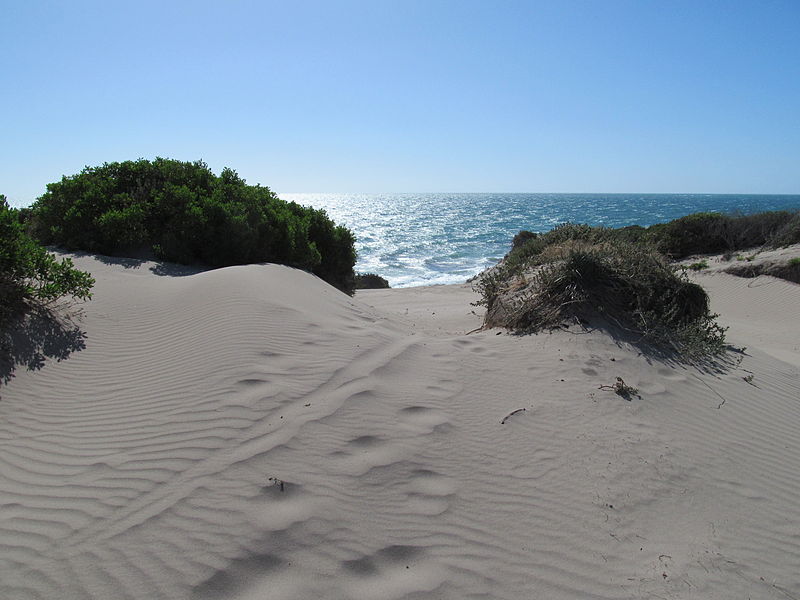
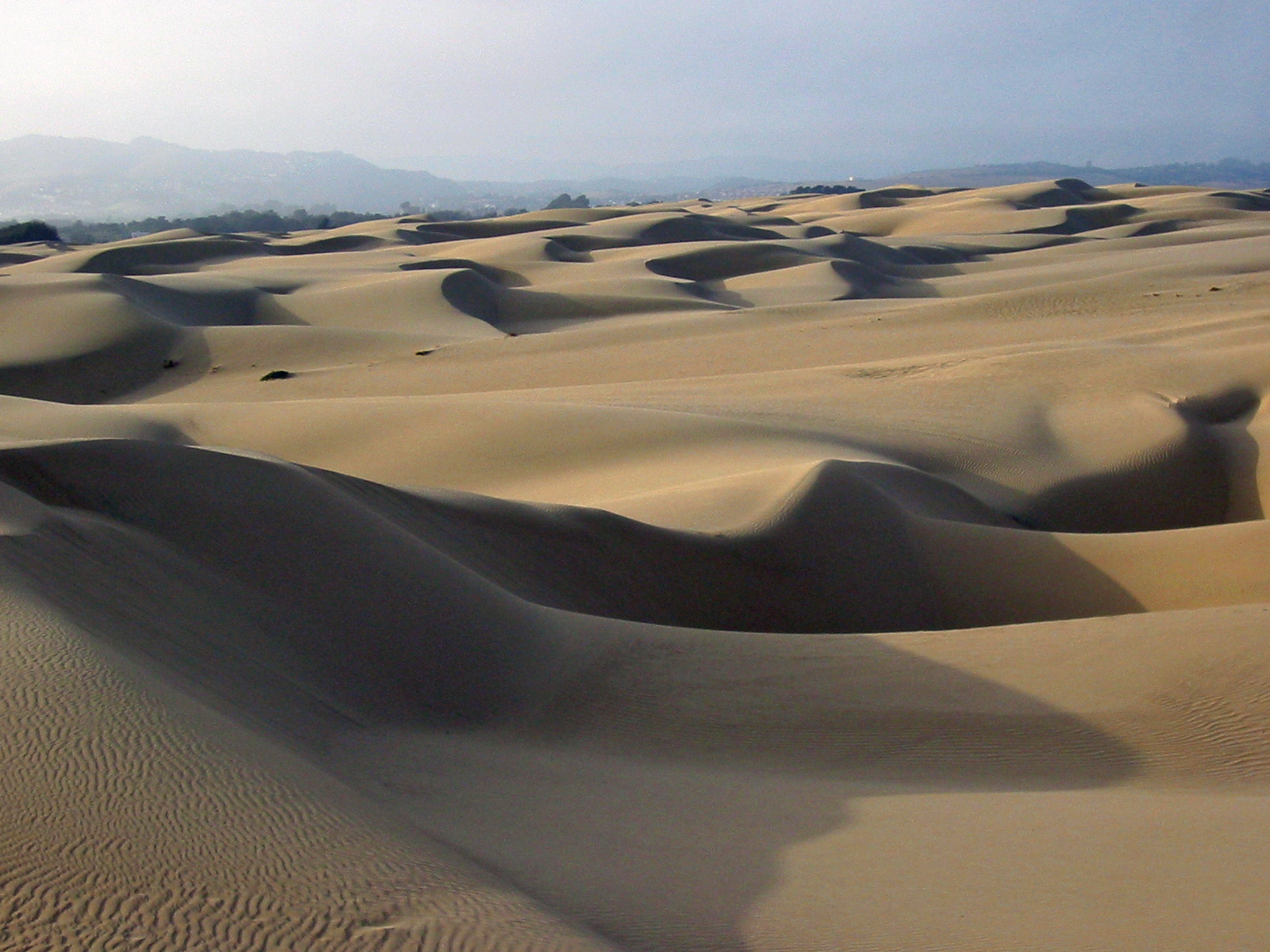 He had me drive him to a parking lot near the beach so he could hike back into the sand dunes to collect his gear.
I offered to go with him and help carry it back, but he said no. It was too far, and the most direct route would have us climbing up and sliding down huge dunes. So I took a walk along the beach while awaiting his return.
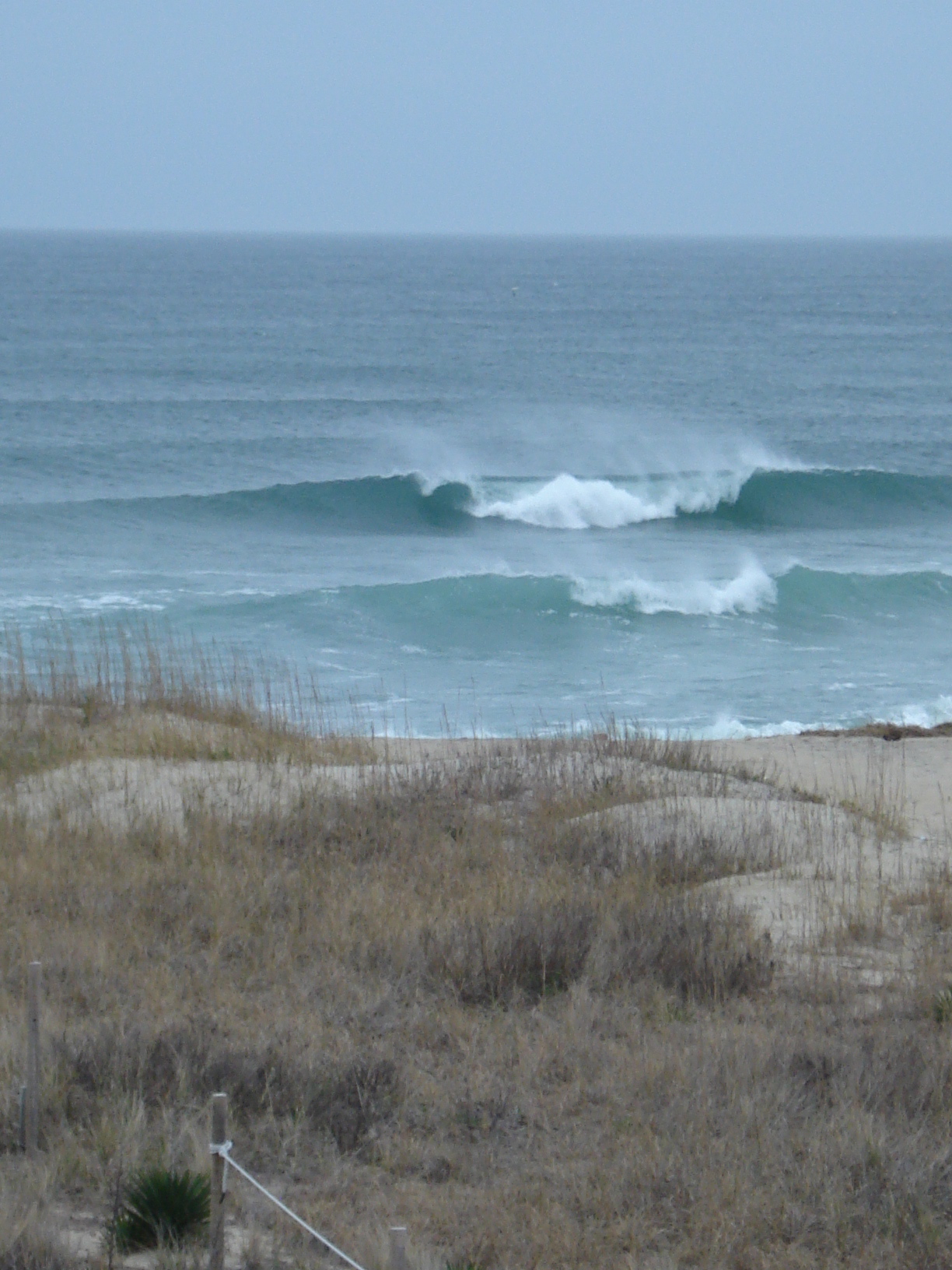
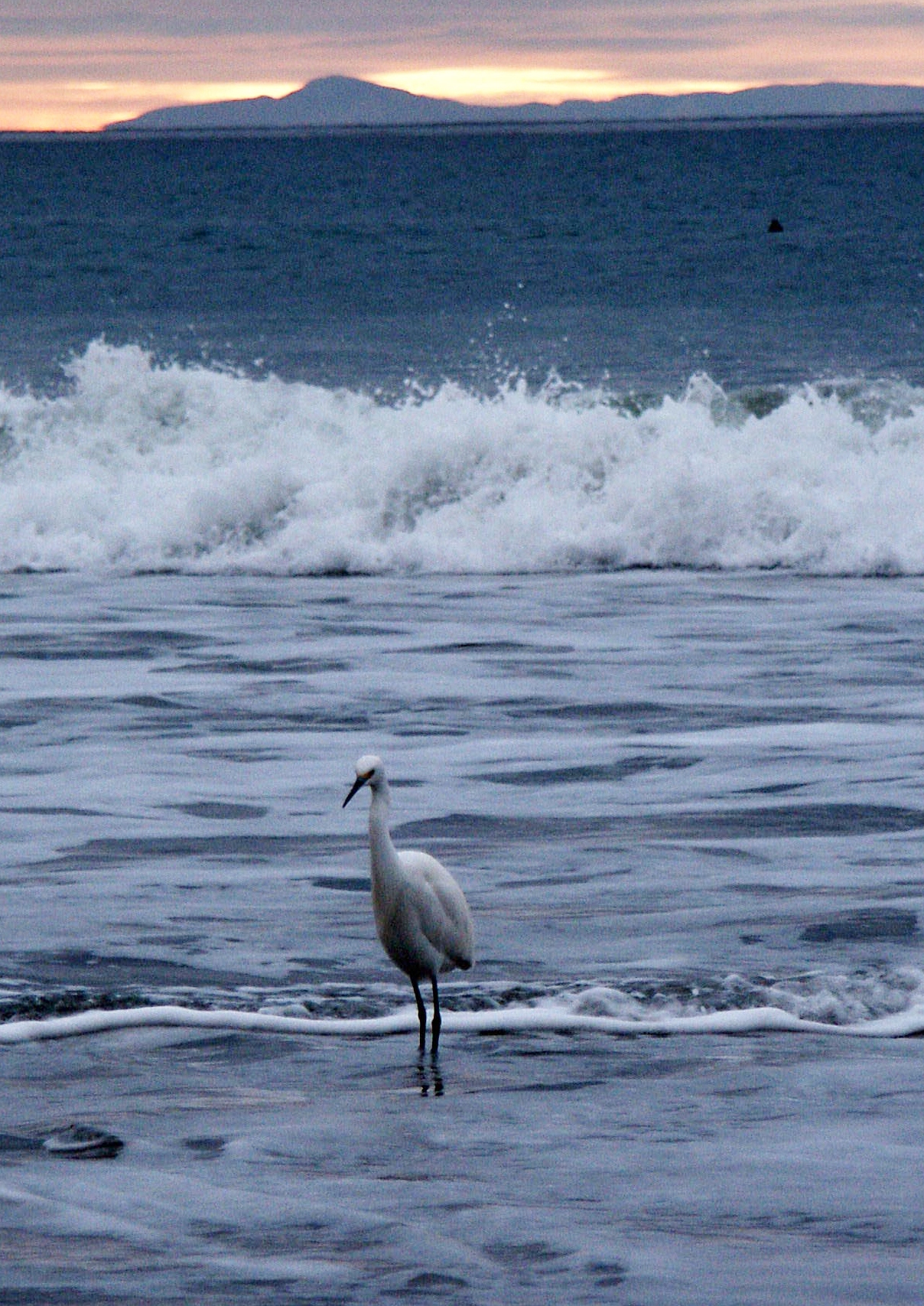
The weather had been stormy for the last few days and the morning sky was a molten sheen of silver as the sun tried to burst through. The tide was out and tiny rivulets of water had formed between the ripples of wet sand, reflecting the bright sky. Dozens of sand dollars in all sizes had been washed up on the beach, most of them perfectly whole, and I collected my share. Hundreds of tiny sea birds hunted among the puddles and shallow waves. Among them gulls flew in and out, and one long-legged white heron tip-toed among its cousins.
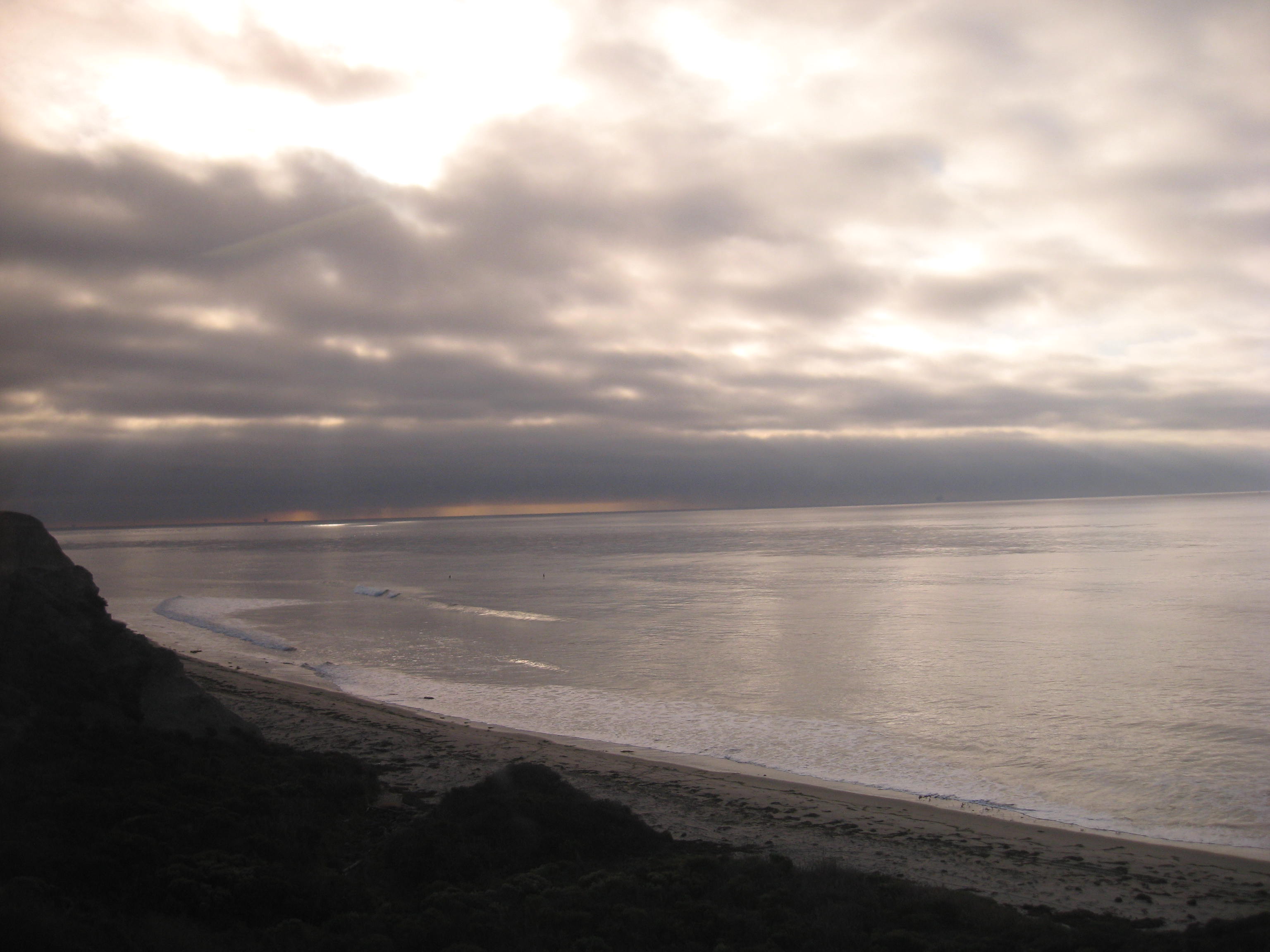 It was breathtakingly beautiful and peaceful. I imagined him up there, all alone among the sand dunes at night, peeking up at the bright expanse of stars, hearing the hum of the breaking waves, breathing in its salty breath.
Camping out it might have been called–once upon a time in a land far away.
But when he returned with his gear I found out it wasn’t that way at all. The dunes where he slept were full of fellow travelers. As we were driving away he had me pull over so he could hail down a man on a bicycle packed tight with tent poles and back packs and what looked to be a small camp stove.
“Tell Josh I left the tent and blankets he loaned me out there for him.”
 Josh was a young man living in the dunes with his girlfriend. They had grown up “houseless” and now were living a”houseless” life together.
Many people like them and the bike rider lived back there, and the place where he had slept would not remain empty long. The secure burrow deep beneath a sage bush had been dug by another, inhabited and abandoned time and time again.
But that’s not the half of it, he told me. Many have lived out there so long and had become so adept at doing so, they had tapped into the electric grid and had TV, computers, and electric lights.
This was true back in the canyons far from the beach as well. There a whole community of “homeless” residents lived, having dug caves and elaborate tunnels into the hillsides, and built tree houses for lookouts to guard against intruders. Hundreds lived back there, he said, in relative luxury, since they too had found ways to plug into the electric grid. The homeless 1%, I suppose.
This is not to make light of, nor to romanticize the plight of people who lack mainstream housing. There is no question that for some this is a lifestyle choice.
 But for the vast majority who live on the streets or in the dunes and canyons, they do so because they have no other options. They are there because poor health and medical bills left them bankrupt and houseless. They are there because a lost job, a string of bad luck, addiction, mental illness, and an array of other similar calamities left them no choice but to try to find a way to exist without a house to live in.
Sadly, we’ve make outcasts and outlaws of the poor and sick and struggling. We’ve banished them to live outside the norms of society and forced them to create counter communities at the fringes of society.
We call them homeless, when in truth we all share one home. We’ve simply failed to provide for our own. We’ve failed to create the kind of safeguards and services that would keep all of us safely housed.
Discover more from Deborah J. Brasket, Author
Subscribe to get the latest posts sent to your email.

I long to hear more “real life” stories – like you’ve so beautifully shared here. In my own journey, my mind is “being changed”…and I am hungry to be changed…more. Having just entertained a woman living on the raw edge of life (I feel the winds whipping very close to where I stand, at the edge…) Within our shared stories…she became close…like family.
You’ve filled a “hollow part” in me this morning!
LikeLike
You don’t know how much this means to me, to hear you say that. To touch someone with something I’ve written, something that has touched me. How wonderful that you took that woman into your heart. That we all may be so changed.
LikeLike
thank you for this… my sitution to being homeless was much less dramatic at the same time shocking… me and my husband both worked payed our bills and had a young son and two cars…. how dose that happen… its a long story. But It was some of the best times of my life after I stopped crying over the death of my old life. Hope that the person you are helping is doing better but as you help them remember that sometimes you have to break down all the walls and lose everything to build a better stronger foundation for the home that you are really ment to have….even if that means a 1920 cottage that needed thousand in repairs.
LikeLike
Thank you, Jolynn. What a great story you have to tell. It’s so strange how sometimes losing everything, or hitting rock bottom can bring us to a place where we appreciate and can enjoy the little we have more than we ever did when we took it all for granted. Illness has done that for some people, imprisonment, loss of loved ones. I don’t know why that is, and it certainly does not happen to everyone who has suffered those losses. But for some whose mind is ripe, it can transform one’s life for the better. All the best to you.
LikeLike
Such a great post. We all have to remember that life knocks people sideways. Judging others based on circumstance without knowing the back story is never a good idea. Insightful.x
LikeLike
You are so right. Thanks for commenting here.
LikeLike
I’m always torn on how I feel about homelessness after reading The Glass Castle. By Jeanette Walls parents example it opened my eyes to long term homelessness as a choice, although it’s also possible not by choice for temporary periods as well. I think whatever gets us to that point, choice or not, it’s so important treat every person we come across as a person of value, and I think you’ve done a great job of showing non-judgement.
LikeLike
I haven’t read that book, but now I’m going to look it up. Yes, for some it is a choice, but from what I’ve seen that’s a small minority and even for many of them it’s because the alternative (life in an institution, life taking mind-numbing drugs, life with abusive parents, life trying to fit in where they do not believe they fit in and where others see them as odd or unfit) is worse than what they have. But for most homelessness/houselessness is an involuntary, temporary state from which they hope to escape as soon as possible. At least that’s what I’ve come to see.
LikeLike
Thank you.
LikeLike
I really enjoyed reading this post Deborah. It is interesting in itself in describing the way so many people live – either by choice or circumstance – outside the “mainstream.” But also touches on a theme I have been half consciously playing with in my mind for a long time – this idea of being plugged into one or more systems, and the cost/benefits of signing up for them, whether we consciously choose to sign up, relentlessly pursue membership, or are simply born into them. For any system you buy into, there are benefits and there are costs. Perhaps some people simply reject signing up for any mainstream system or find that, often through no fault of their own, they simply cannot do the things necessary to maintain membership (i.e., play by the rules and pay the bills). Charitable organizations that minister to the needs of these people and show them kindness without judgment are doing God’s work.
LikeLike
Thank you, Carol. I find your thoughts on plugging into various systems intriguing. So glad you shared that here.
LikeLike
I call our time of unintentional homelessness as being ‘Between Homes’…it somehow helped ease others about our hard times and showed the more common face of this blight to be non-drug related and that it can happen to ‘mainstream’ people…in other words it helped to shatter the stereotype(s). The first post on my website/blog details this term…
Thank you for your compassionate post…it is heartening to see others who haven’t experienced this first hand comment on it with a deeper perspective.
peace
LikeLike
I am so glad you liked this, Laura. I’m looking forward to reading that post where you talk more of this. Thank you for sharing.
LikeLike
A wonderful post and an interesting idea Carol suggests about mainstream living. It is true that until we move away from the familiar, whatever that is, we don’t know whether living that way is what we are naturally inclined towards or whether we are indeed fulfilling society’s expectations.
For me home becomes important to create, a place of safety while raising children, like a bird makes a nest, until they are ready to fly off on their own, but while we are on our own, it is not necessarily one’s inclination. If we listen to our instincts, we may find that our learning requires another way of life.
LikeLike
Thank you, Claire. Your comments are so interesting and thoughtful.
LikeLike
Beautiful post, Deborah.
LikeLike
Thank you, Karen.
LikeLike
What an excellent discussion of the “houseless”. And the part about Jesus being houseless … it’s interesting that so many who claim to be followers don’t want to help those in need and houseless.
Your photos are beautiful, too.
LikeLike
So glad you enjoyed it–the photos too!
LikeLike
Deborah, I admire your writing. Your intelligent attention to detail in this article brought both the dire plight of many houseless people and the pristine beauty of a real seaside community to life. As well, you left me feeling sad and aware of my sometime inability to open my mind and heart to people in need of help. We are all in need of help. Every one of us.
LikeLike
Thank you, Anthony. I think we all need reminding from time to time–there but for the grace of God go I. I so appreciate your comment here.
LikeLike
Deb.
Mahalo 4 forward thinking.its houseless… been saying 4 yrs.thanku….. buddha recognizes the difficulties of wages that can’t even pay rent.weather a pay check away from houselessness Americans find them self in, due to # injury # illness…u would think one flew over the Coco nest would shed light on mental illness.my mother was in Maw View hos.Pa. were movie filmed…
since my birth 54 at 8 she passed.yr 62…No father….u would think it may shed some light on…. .on the crisses.mental illness..Since Ronald Regan hospitials shut them down …were, to go to the St?. born into paycheck aWay form a house can’t b in reach because wages haven’t been raised in 50yrs. Robots take jobs…….society needs a fix…. .who’s accountable?…..millions in campaign funds would solve the problem……Americans need to put proarties first.
opium war. A hand few got people got rich lieing to public. Dr.s getting people hooked Oxy…
Oxy not addicting…#houseless is at a crissis… #homeless is a sign of mental illness just hanging on,of a house of careing… YOUR SIGHT GIVES A RELIEF FROM THE REALITY That exists..not to get political… we can’t afford to wait…
Aloha hui hou..JWD.
LikeLiked by 1 person
I so agree with you. We can’t afford to wait. All the best to you.
LikeLike